The stock market took a hit on shaky trading worldwide after President Trump raised doubts about the temporary truce in the war with Iran.
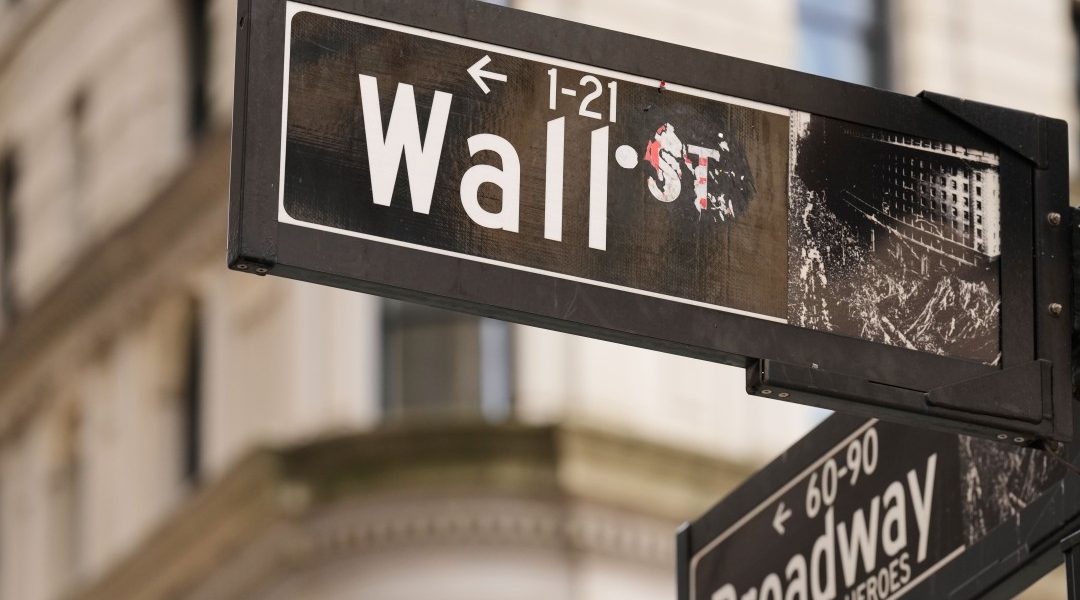
Traders reacted swiftly to the news, sending oil prices soaring and stock markets plummeting. The S&P 500 fell 21.14 points, or 0.3%, to 7,482.71. The Dow Jones Industrial Average also took a hit, dropping 576.76 points, a significant decline in a single day.
Oil Market Sees Biggest Increase Since the War Began
The oil market saw the biggest jump since the conflict with Iran began. The price for a barrel of Brent crude climbed 5.2% to $78.02 and briefly topped $80. Although the price is still below its peak from earlier in the war, when it topped $90 per barrel, this increase in value signals a return to uncertainty and volatility in the market.
The escalation in oil prices is a major concern for economies worldwide, as oil is a crucial component in the production and transportation of goods. A surge in oil prices can lead to higher production costs for companies, potentially affecting consumer prices and overall economic growth.
What This Means for Investors and the Global Economy
The market reaction highlights the delicate balance between global politics and economic stability. As tensions with Iran escalate, investors are naturally cautious, leading to a decline in stock market values. This instability can have far-reaching consequences, including increased inflation, reduced consumer spending, and a decline in overall economic output.
The recent market volatility serves as a reminder that global politics can have a significant impact on the economy. As investors and policymakers navigate this uncertainty, it’s essential to stay informed and adapt to changing circumstances.
Will the Truce Hold?
The outcome of the conflict with Iran is still uncertain, and the temporary truce is fragile. If the situation escalates further, we can expect to see continued market volatility and a rise in oil prices. Investors will be closely watching developments in the Middle East and monitoring the reactions of world leaders to any potential shifts in the conflict.