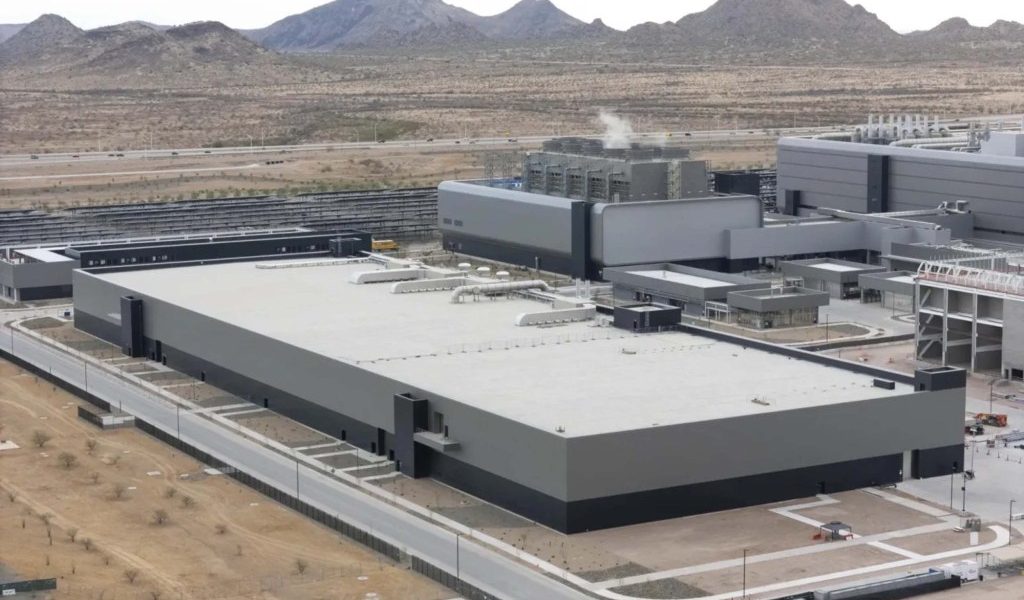
A US factory revival hangs in the balance as a severe shortage of skilled workers threatens to derail the construction of billions of dollars’ worth of new semiconductor plants.
Chip makers face massive workforce gap
The deficit is expected to be most acute in states such as **California**, **Texas**, **Arizona**, **New York**, and **Ohio**, where many new facilities are being planned, according to Bloomberg. This shortage is a major concern for the industry, which is investing heavily in new manufacturing capacity in the US.
The US government has allocated billions of dollars in subsidies to encourage companies to build domestic semiconductor plants, but this effort is now being hindered by the lack of skilled labor. The industry needs workers with expertise in advanced manufacturing, electrical engineering, and software development to run these complex plants.
Industry giants struggle to recruit talent
Leading chip makers, including **Intel**, **Samsung**, and **Micron Technology**, are among those struggling to find the workers they need. The companies are offering higher salaries and benefits to attract talent, but the numbers are still falling short. In some cases, the companies are also partnering with local educational institutions to develop training programs and pipelines for potential employees.
Potential impact on chip supply chains
The shortage of skilled workers could have far-reaching consequences for the global supply chain. The US semiconductor industry is a critical component of many high-tech products, including smartphones, laptops, and cars. If the construction of new plants is delayed, it could lead to shortages of these products and disrupt supply chains worldwide.
What this means: The shortage of skilled workers in the US semiconductor industry could stall the growth of domestic manufacturing capacity, threatening the country’s ability to meet its chip needs and put the global supply chain at risk. To address this issue, chip makers will need to work closely with educational institutions and local governments to develop programs that attract and train the talent they need to build and operate these complex facilities.