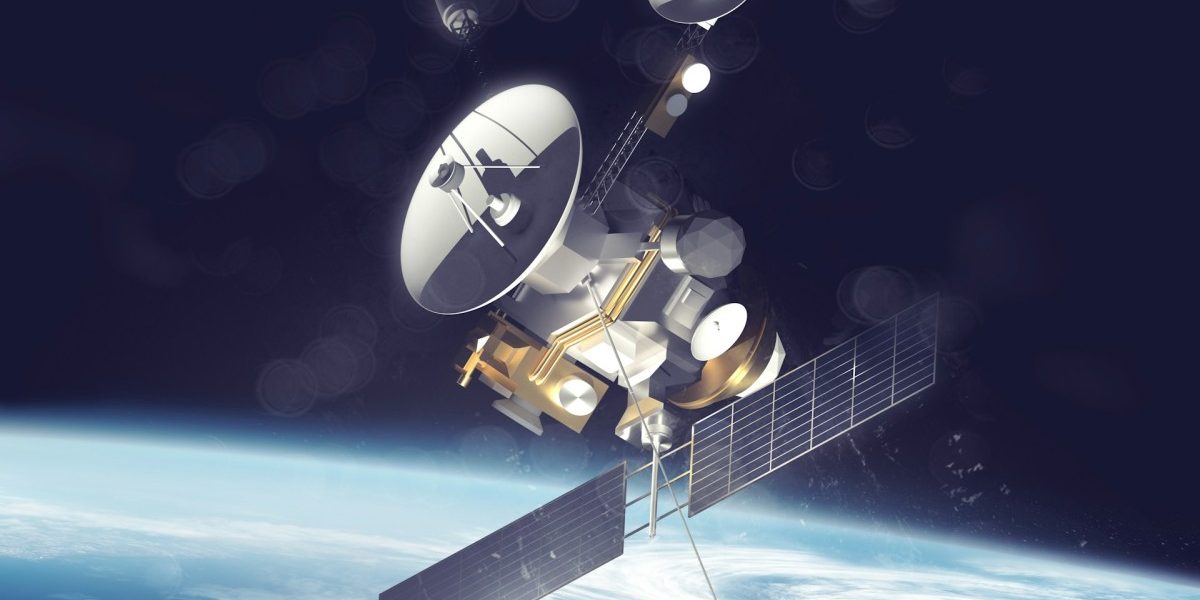
China’s space agency has revealed plans to launch a massive network of at least 1,000 remote-sensing satellites to monitor Central Asia, an unprecedented scale of surveillance that’s sparking concerns about the region’s sovereignty.
China’s Constellation of Eyes
The Tianwu Constellation is the official name of this ambitious project, which will be capable of providing high-resolution images and real-time data of the region. According to reports, the first batch of five satellites is already under development, with an expected launch date in the near future.
What’s remarkable about this plan is the sheer scale of the surveillance system. 1,000 satellites orbiting the Earth will give China unparalleled levels of visibility into the region, far beyond the capabilities of existing spy satellites or drones. This raises questions about the potential for China to monitor and influence events in Central Asia, potentially undermining the region’s sovereignty.
What this means
This massive surveillance system could give China a significant advantage in terms of regional influence, potentially allowing it to monitor and counter any opposition or dissent in the region. It could also be used to track and monitor the activities of neighboring countries, including Russia and Pakistan.
For the governments and people of Central Asia, this development poses significant risks to their national security and sovereignty. It’s likely to heighten tensions and raise the stakes for any diplomatic or military conflicts in the region. As the region becomes increasingly contested by global powers, the implications of this massive surveillance system will be closely watched.
Implications for Global Politics
The Tianwu Constellation is more than just a technical project; it’s a symbol of China’s growing ambitions in space and its desire to exert influence over the global stage. This development will likely be met with a mix of anxiety and curiosity from global leaders, who are seeking to understand the implications of this massive surveillance system.
One thing is certain: the launch of the Tianwu Constellation will change the way we think about space exploration, surveillance, and global politics. It’s a powerful reminder of the need for nations to prioritize their own sovereignty and national security in the face of an increasingly contested international landscape.