Democratic Infighting Escalates in Michigan Senate Debate
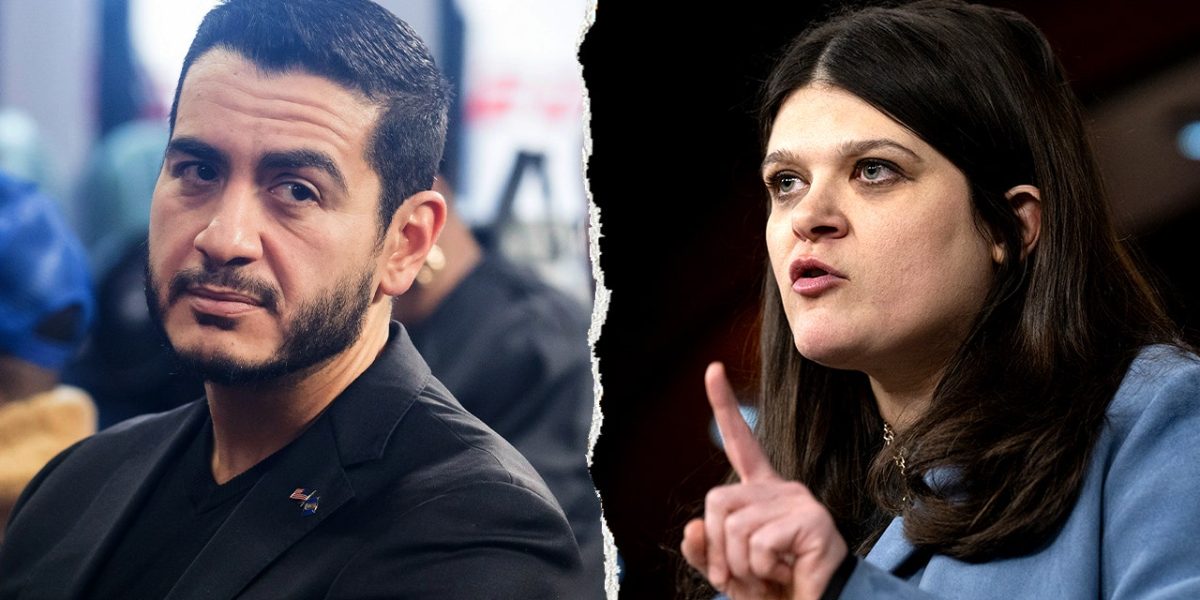
A heated argument broke out between Democratic primary candidates Abdul El-Sayed and Haley Stevens in a recent Michigan Senate debate, highlighting the deepening divide between progressive and moderate factions within the party.
The clash, which centered on accusations of secrecy and authenticity, marked a stark escalation of tensions between the two camps. The debate, held in battleground Michigan, is widely seen as a key test of the party’s internal dynamics ahead of the midterm elections.
Progressive candidate El-Sayed accused Stevens, a moderate congressman, of hiding behind scripted answers during the debate. “What are you hiding?” El-Sayed asked, pointing to Stevens’ perceived evasions on key issues. The jab sparked a sharp rebuke from Stevens, who accused El-Sayed of resorting to personal attacks.
A Divided Democrat Party
The exchange underscores the widening chasm between progressive and moderate Democrats, with some arguing that the party has lost its way amidst a shifting ideological landscape. The infighting is likely to intensify as the primary season heats up, with some predicting that the party’s left wing could gain significant ground in key races.
Michigan’s Senate seat is highly coveted, and the winner of the Democratic primary will likely face a tough contest against a Republican challenger in the general election. The debate’s tone and tenor will likely set the stage for a bruising battle, with both sides trading blows in the months ahead.
What This Means
The El-Sayed-Stevens clash serves as a bellwether for the Democratic Party’s ideological struggles. As the party navigates its post-Biden future, the debate highlights the need for a clear, unified message that appeals to a broad coalition of voters. For El-Sayed and Stevens, the stakes are high: the winner will need to unite the party behind a cohesive agenda and win over swing voters to secure victory in November.
The question now is whether the party can find a way to bridge its differences and present a unified front. For Democrats, the answer couldn’t be more important: a fractured party is a vulnerable party, and the midterm elections will be a critical test of the party’s internal cohesion.