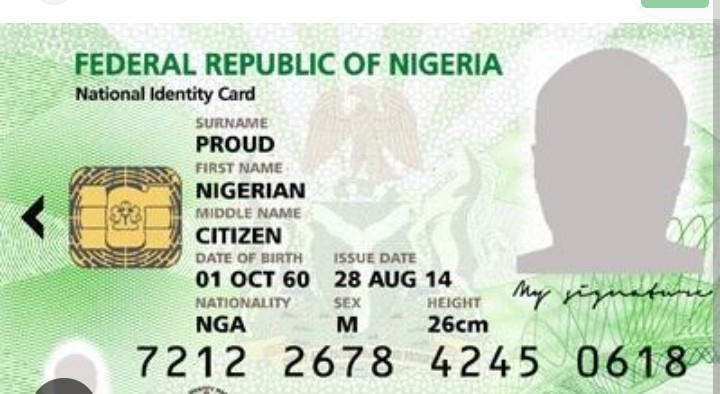
Nigeria’s National Identity Database Now Holds Over 136 Million Enrolled Records
Nigeria’s National Identity Management Commission (NIMC) has reached a significant milestone, with over 136 million Nigerians and legal residents now captured in the country’s National Identity Database. This massive collection of personal data is intended to create a robust and unified identity system for the West African nation.
The NIMC has been working tirelessly to enroll Nigerians and legal residents in the database since its inception, with the goal of creating a comprehensive and seamless identity verification process. The database will not only help curb identity theft and other forms of national security threats but also facilitate easier access to government services, financial institutions, and private sector transactions.
The Role of NIMC in Identity Management
The NIMC is the regulatory body responsible for managing the National Identity Database, which involves the capture of citizens’ and residents’ biometric data, including fingerprints, facial recognition, and iris scans. This data is then linked to a unique identifier called the National Identification Number (NIN). The NIN can be used for various purposes, including opening a bank account, securing a passport, and even obtaining a driver’s license.
Challenges and Opportunities Ahead
Although the NIMC has made significant progress in enrolling millions into the database, challenges persist. Many Nigerians still lack access to the necessary documentation, including birth certificates and valid government-issued ID, which are required to enroll in the database. However, the commission has committed to resolving these issues and ensuring that all eligible citizens are registered.
The National Identity Database offers numerous opportunities for economic growth, improved public services, and enhanced national security. With over 136 million records enrolled, Nigeria is well on its way to creating a robust identity ecosystem that will benefit its citizens and the broader economy.
What this means: The massive enrollment in Nigeria’s National Identity Database signifies a significant step towards creating a more efficient and secure identity verification system. As the database continues to grow, Nigerians can expect easier access to essential services, reduced identity theft, and improved national security.