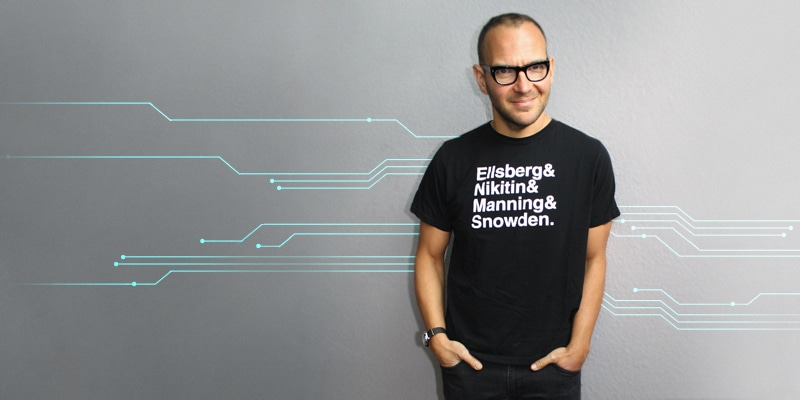
Cory Doctorow, a renowned science fiction author and AI critic, has penned a commentary on the nature of hell, likening it to the social isolation and psychological torment of interacting with others in a digital realm. He draws from the classic play “No Exit” by Jean-Paul Sartre, where three characters find themselves trapped in a room together, forced to endure each other’s company and eventually descend into madness.
AI-Powered Social Isolation
In the context of AI, this concept of hell as other people takes on a new meaning. Online platforms, social media, and messaging apps have created a culture of connection without intimacy, where individuals are forced to interact with algorithms and virtual entities rather than human beings. This phenomenon has led to a rise in social isolation, anxiety, and depression.
The Limits of Virtual Interactions
While AI-powered chatbots and virtual assistants have been touted as revolutionary tools for improving customer service and enhancing user experience, they often fail to replicate the complexities of human interaction. Doctorow argues that these virtual interactions can be more frustrating and alienating than nothing at all, as they create unrealistic expectations and reinforce feelings of loneliness.
What this means: As AI continues to shape our online experiences, it’s essential to recognize the limitations of virtual interactions and the need for human connection. We must be cautious not to trade meaningful relationships for the convenience of digital communication. By acknowledging the potential pitfalls of AI-powered social isolation, we can work towards creating more empathetic and supportive online environments that foster genuine connections and community.
Reimagining Human Connection
Doctorow’s commentary serves as a reminder that true human connection requires effort, vulnerability, and empathy. As we navigate the digital landscape, we must prioritize face-to-face interactions, engage in meaningful conversations, and cultivate a sense of community that extends beyond our screens. By doing so, we can create a more compassionate and inclusive society that values human connection above virtual interactions.