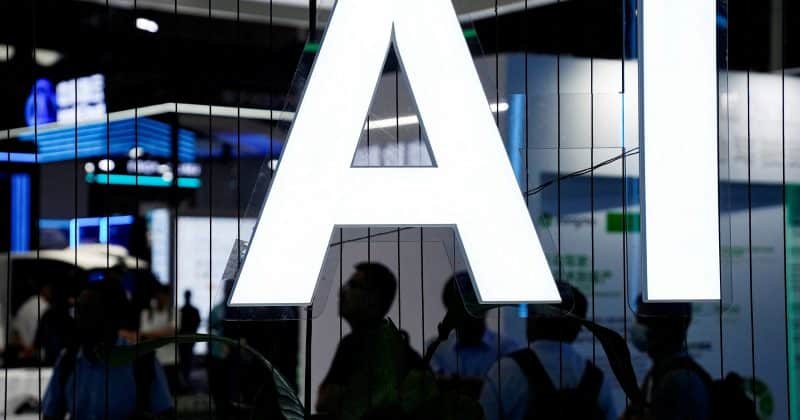
China’s Ministry of Commerce is secretly working with major tech companies like Alibaba and ByteDance to restrict overseas access to its most advanced AI models.
Beijing’s Plans: What’s the Big Idea?
China is building a wall around its AI research, reportedly to protect its national security and maintain a competitive edge. The US government’s current restrictions on Chinese tech firms and China’s own growing tech ambitions have created a tense landscape.
At the heart of this issue is the US-China rivalry, which is driving China to tighten its grip on its AI research. This move could have significant implications for the global tech industry, as China’s AI advancements are crucial for many international collaborations.
Impact on Global Tech Dynamics
The AI access restrictions could reshape global tech dynamics, intensifying the US-China rivalry and limiting international collaboration. China’s AI research is critical to many global tech companies, and restricting access would hinder their ability to innovate and compete.
This could lead to a fragmented global tech landscape, where companies are forced to rely on alternative suppliers or develop their own AI capabilities, leading to increased costs and reduced innovation.
International Collaboration: A High-Stakes Game
The AI access restrictions could also impact international AI collaboration, particularly in areas like research, talent exchange, and technology sharing. China’s AI advancements are crucial to many global research initiatives, and restricting access would hinder progress in these areas.
This could set a precedent for other countries to impose similar restrictions, further fragmenting the global tech landscape and limiting innovation.
What This Means
The Chinese authorities’ plans to restrict AI access to overseas companies could have far-reaching consequences, intensifying the US-China rivalry and limiting international collaboration. This will likely lead to a more fragmented global tech landscape, where companies are forced to rely on alternative suppliers or develop their own AI capabilities.
For international companies, this means they will need to adapt to a changing landscape and explore alternative sources for their AI needs. This could lead to increased costs, reduced innovation, and a less collaborative global tech ecosystem.