
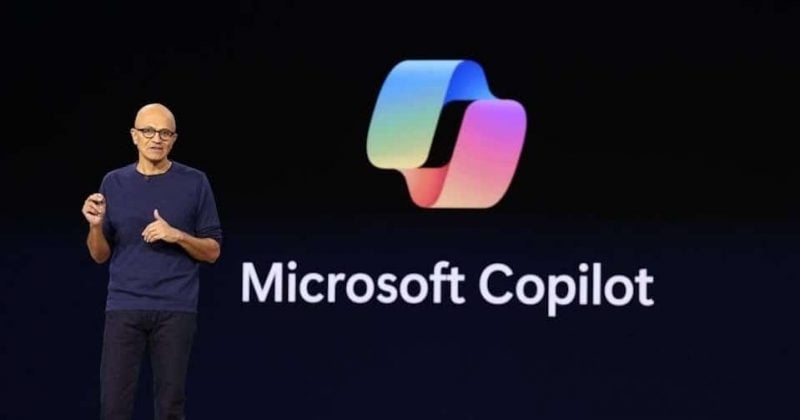
A Microsoft AI chief has just predicted that automation will sweep through white-collar jobs, catching many off guard. Mustafa Suleyman, CEO of Microsoft AI, claims AI will match human-level performance on most professional tasks within 12 to 18 months.
Ahead of the Curve?
AI’s march towards professional parity has been gaining momentum for years, but Suleyman’s words carry significant weight: if AI starts to outperform humans in tasks like data analysis, contract review, and even writing, it’s only a matter of time before entire job categories become redundant.
Consider the skills that accountants, lawyers, and marketers possess. These are tasks that rely heavily on information processing, pattern recognition, and creative expression – areas where AI is already showing remarkable improvements. The prospect of AI-driven automation in these fields could reshape workforce dynamics, leaving many professionals scrambling to adapt or face obsolescence.
Avoiding the Obvious
Some might argue that white-collar jobs are inherently safe from automation. After all, don’t professionals require creativity, intuition, and emotional intelligence – skills that AI systems currently lack? The problem is that AI systems are learning to mimic these skills at an unprecedented rate.
For instance, AI-powered content generation tools are becoming increasingly sophisticated, capable of producing high-quality articles, social media posts, and even entire books. Similarly, AI-driven contract analysis is rapidly improving, allowing businesses to automate routine legal tasks with greater accuracy and speed.
What This Means
The implications are clear: as AI assumes more professional tasks, workers in affected fields will need to upskill or reskill rapidly to remain relevant. This requires a significant shift in how we approach education and training, with a focus on emerging skills like AI literacy, data science, and creative problem-solving.
Businesses and policymakers will also need to adapt, implementing policies and programs that support workers in the transition to an AI-driven economy. This might involve rethinking the concept of work itself, with a focus on lifelong learning, entrepreneurship, and social safety nets.
As Suleyman’s prediction suggests, the clock is ticking. By 2027, the automation of white-collar jobs could be a harsh reality, leaving us to wonder whether we’re ready for the changes that AI has in store.


