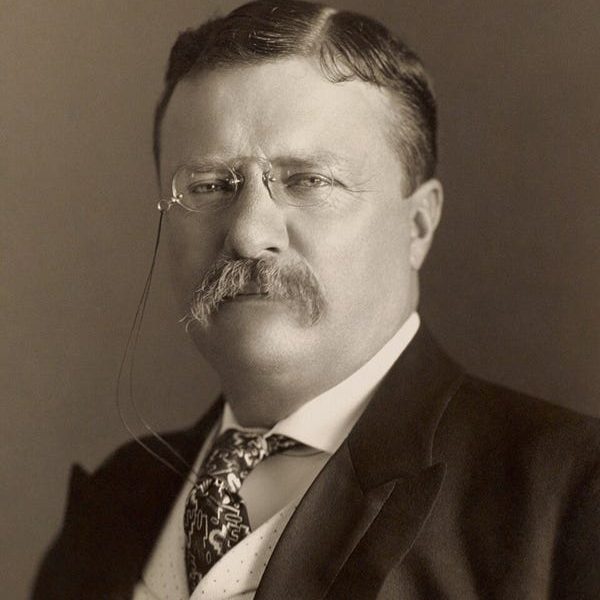
Imagine if a deepfake of Theodore Roosevelt, the 26th President of the United States, suddenly appeared in a room and started railing against the modern-day politician it despises.
AI-Generated Quotes Raise Questions
A recent deepfake video featuring Theodore Roosevelt is causing a stir online. In the clip, a CGI-generated version of the former President is seen standing in his own library, looking every inch the rugged leader in his signature safari outfit. However, his words are anything but statesmanlike, as he launches into a tirade against Donald Trump.
The video, which is likely the work of a clever AI model, highlights the ongoing challenges of deepfakes and their potential impact on public discourse. It’s not the first time AI-generated quotes have caused a sensation online, but the fact that the target is a former President is particularly striking.
What This Means
As AI technology continues to advance, we can expect to see more sophisticated deepfakes like this one. And while they may be entertaining, they also raise important questions about the manipulation of historical figures and the spread of misinformation. With deepfakes becoming increasingly convincing, it’s harder than ever to know what’s real and what’s not.
Consequences of Deepfakes
The implications of deepfakes are far-reaching. In a world where AI-generated content is increasingly indistinguishable from the real thing, it’s harder to trust even the most seemingly innocuous sources. This has serious consequences for public policy and opinion-making, as well as for our understanding of history itself.
In a world where AI-generated deepfakes can speak on behalf of historical figures, it’s clear that the boundaries between reality and fiction are becoming increasingly blurred. And that’s a problem that goes far beyond the occasional entertaining clip online.