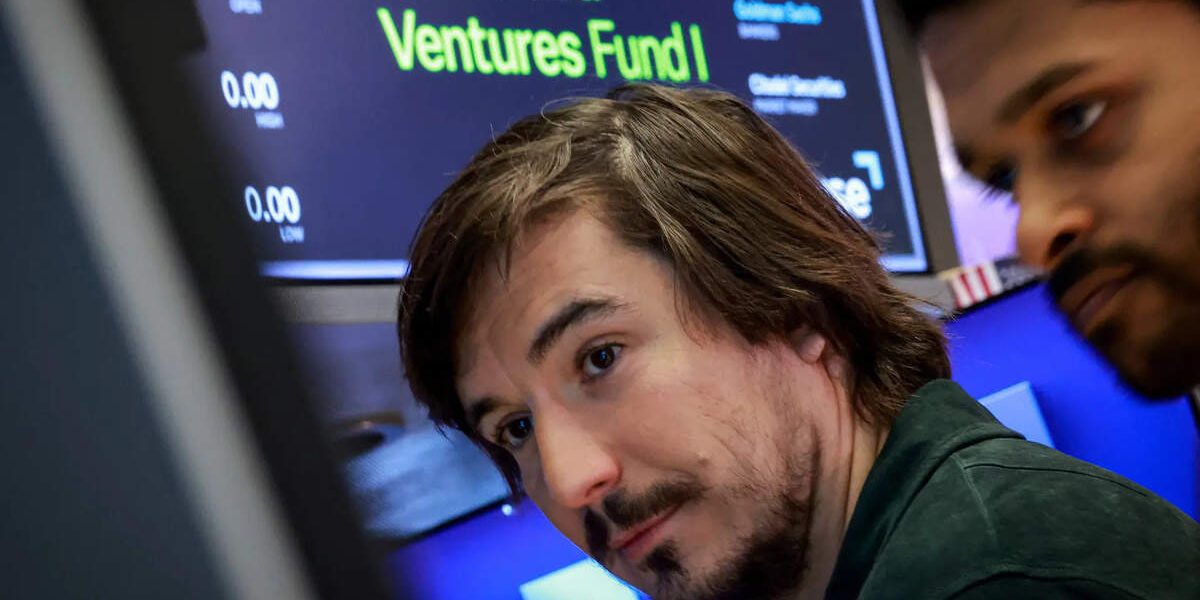
Roland Quine, a 30-year veteran of the trading floor, is in for a surprise: AI agents are on the cusp of rivaling human traders in their ability to manage portfolios.
The news comes from an unlikely source – Robinhood, the popular commission-free brokerage app. In May, the company unveiled AI tools that allow agents to trade stocks and make purchases on behalf of users, effectively giving users the ability to create a separate, automated trading account.
AI Agents on the Rise
According to Robinhood’s CEO, Vlad Tenev, AI agents are rapidly closing the gap between human and machine performance. Speaking to CNBC, Tenev revealed that these AI agents are on track to become as capable as their human counterparts, with the potential to manage entire portfolios with ease.
So, what does this mean for investors? For one, they’ll have more flexibility to let AI do the trading legwork, freeing up time for more strategic decisions. However, this also raises questions about accountability and the potential for human bias to seep into AI decision-making.
The Future of Trading
As AI agents become increasingly sophisticated, the dynamics of trading are set to shift dramatically. Tenev’s comments join a chorus of industry experts who believe that AI will play an ever-larger role in the markets, from high-frequency trading to portfolio management.
But what about the human touch? Can machines truly replicate the nuance and experience of seasoned traders? While AI agents are certainly closing the gap, there’s still a long way to go before they can fully replicate human intuition.
The Impact on Investors
For now, the impact of AI agents on investors will likely be twofold. On the one hand, they’ll have access to increasingly sophisticated tools that can help them optimize their portfolios. On the other, they’ll need to navigate a complex web of risks and uncertainties, from algorithmic bias to market volatility.
One thing’s for sure: the future of trading is looking increasingly automated. As AI agents continue to improve, it’s worth keeping a close eye on how they’ll change the game – and what this might mean for the next generation of investors.