NotebookLM Gives Claude a Run for Its Money in Research Tool Showdown
I recently found myself facing a common dilemma in the world of AI research tools: conflicting sources and a tough decision between NotebookLM and Claude. After putting these two to the test, I was left questioning which one reigns supreme.
Notes from the Field: A Research Tool Roundup
I’m a journalist who often finds myself juggling multiple sources in search of the perfect quote or fact. In this scenario, I needed a tool that could sift through a vast amount of information and provide me with relevant results. That’s where NotebookLM and Claude come in. Both claim to be the ultimate research assistants, but I was determined to figure out which one lived up to the hype.
Hands-On Testing: NotebookLM’s Unique Strength
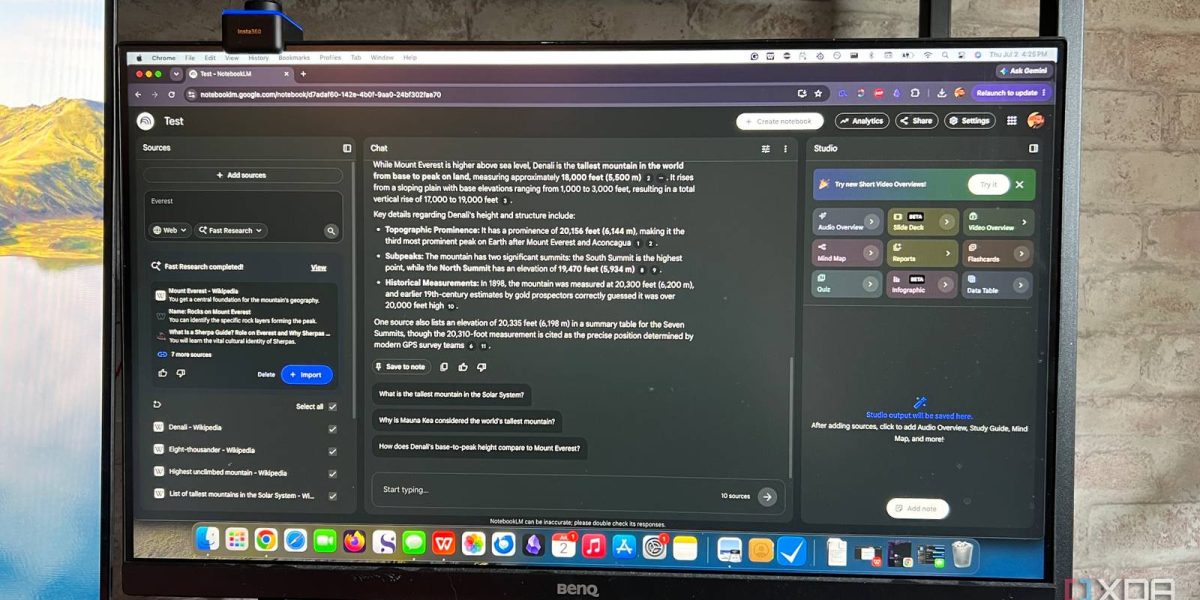
NotebookLM’s selling point is its ability to focus solely on the sources you provide, eliminating the need to hunt down obscure or irrelevant information. This makes it a phenomenal tool for studying, where you need to rely on trusted sources and avoid biases.
I tested both NotebookLM and Claude with a set of sources, and the results surprised me. NotebookLM’s performance was impressive, effortlessly pulling information from the sources I specified. It’s clear that NotebookLM is designed with researchers and students in mind.
Claude, on the other hand, struggled to provide relevant results, often bringing up unrelated information. This wasn’t a deal-breaker, but it did highlight the importance of knowing your tool’s strengths and limitations.
What This Means
The implications of this showdown are clear: NotebookLM is a top contender in the research tool market, and its unique approach to information gathering sets it apart from the competition. If you’re a researcher, student, or anyone who relies on trusted sources, NotebookLM is definitely worth taking a closer look at.