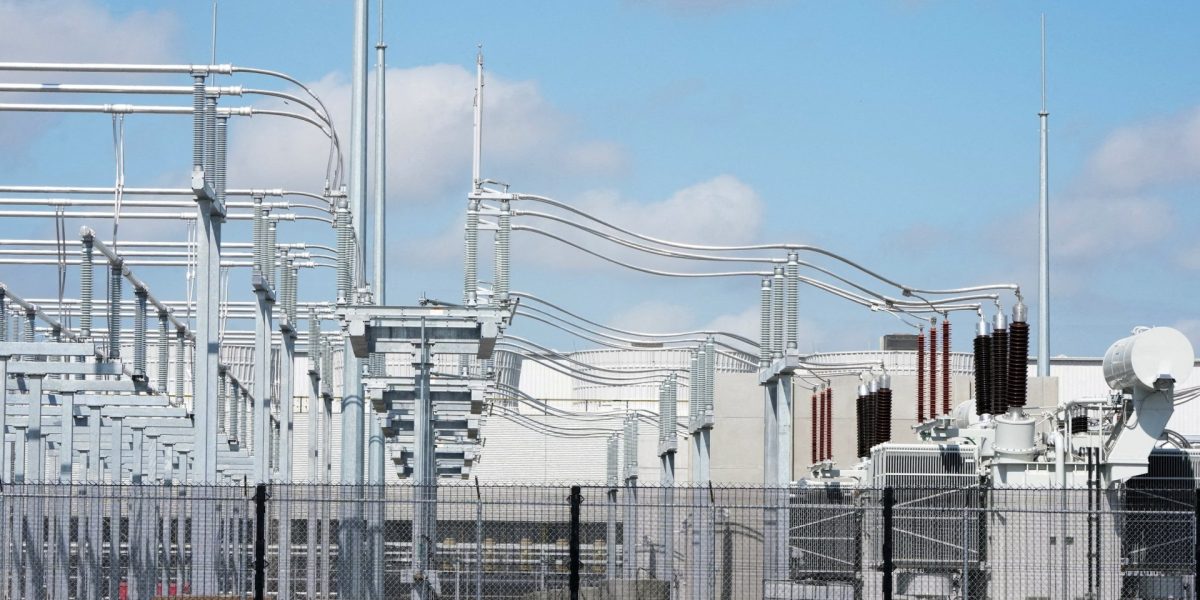
Sweltering Summer Squeezes US Power Grid
A record-breaking heatwave is gripping the United States, and the nation’s power grid is feeling the strain. As temperatures soar, concerns are mounting over the energy demands of AI data centres.
Data Centres: The Dark Side of AI’s Power Appetite
AI data centres, the behind-the-scenes hubs that power our favourite tech services, are notorious energy hogs. They consume enormous amounts of electricity to operate complex networks of servers and cooling systems, which are essential for maintaining the delicate hardware that drives AI innovation. According to a recent report, a single data centre can use as much electricity as a small town.
The issue is that these data centres are growing at an incredible rate, with some estimates suggesting that the world’s data centres will account for up to 10% of global electricity demand by 2030. As the heatwave highlights, this puts an enormous strain on power grids and water supplies. In areas where energy is already in short supply, the growth of AI data centres is raising eyebrows and sparking debates over their impact on the environment.
The Human Cost of AI’s Power Appetite
The US heatwave has brought the issue to a head, with reports of widespread power outages and water restrictions in several states. Residents are being asked to reduce their energy consumption to ease the pressure on the grid, but this is often at odds with the demands of AI-fuelled services like Netflix and Google. As the tech industry continues to push the boundaries of AI innovation, it’s time to consider the human cost of its appetite for energy.
What this means: As AI becomes increasingly pervasive in our lives, we need to rethink our assumptions about the energy demands of these systems. By prioritising data centre efficiency and exploring alternative energy sources, we can reduce the strain on power grids and ensure that the benefits of AI are available to everyone, not just the privileged few who can afford the latest gadgets.
The debate over AI data centres is a timely reminder that the benefits of technology must be balanced against the costs. As the world warms and resources become scarcer, it’s time to put the human element at the heart of our conversations about AI and energy.