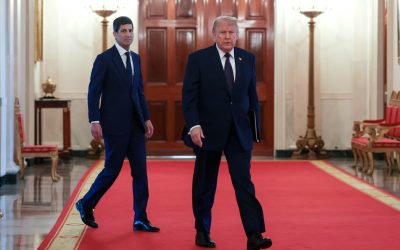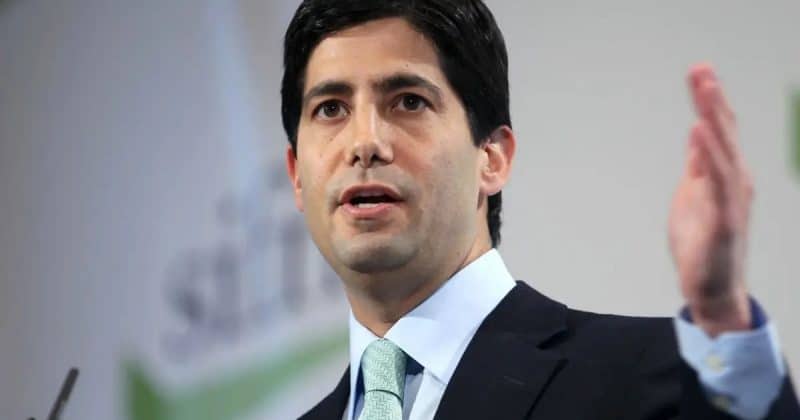
**Federal Reserve Chairman Kevin Warsh Thinks AI Can Save the Economy**
Fed chairman Kevin Warsh believes AI-driven productivity gains could be the key to a stronger US economy, without sparking inflation
Kevin Warsh, the new chair of the Federal Reserve, is painting a rosy picture of AI’s impact on the economy. In a recent statement, Warsh described the AI revolution as a “paradigm shift” and a “significant disinflationary force”, hinting that AI-driven productivity gains could be the catalyst for a healthier economy.
Warsh’s comments come at a time when the US economy is grappling with sluggish growth and rising inflation concerns. However, AI could potentially change the game. By automating routine tasks, AI can free up human workers to focus on higher-value tasks, leading to increased productivity and competitiveness for businesses.
A Paradigm Shift in Productivity
Warsh’s optimism around AI’s impact on productivity is not unfounded. Studies have shown that AI-powered automation can increase productivity by up to 40% in various industries, including manufacturing and services.
For instance, companies like Amazon and Walmart have already started using AI-powered robots to streamline their supply chains and warehouse operations. This not only reduces costs but also enables these companies to respond faster to changing consumer demands.
No Signs of Inflationary Pressures
Warsh’s other key point is that AI-driven productivity gains might not trigger inflationary pressures. In fact, by reducing costs and improving efficiency, AI could help businesses maintain their profit margins even as the economy grows.
According to a recent study by the McKinsey Global Institute, AI could potentially boost US GDP by up to 0.8% annually, without leading to inflation.
What This Means for You
Warsh’s comments are a welcome breath of fresh air, especially for those concerned about the future of work in the age of automation. If AI can indeed boost productivity and competitiveness without triggering inflation, it could be a win-win for businesses and workers alike.
Of course, this is all speculative, and the actual impact of AI on the economy will depend on how businesses and policymakers respond to these changes. Nonetheless, Warsh’s optimism is a positive sign that policymakers are starting to recognize the potential benefits of AI.
As a result, you might see more businesses investing in AI-driven automation and productivity tools, which could ultimately lead to a more competitive and innovative US economy.