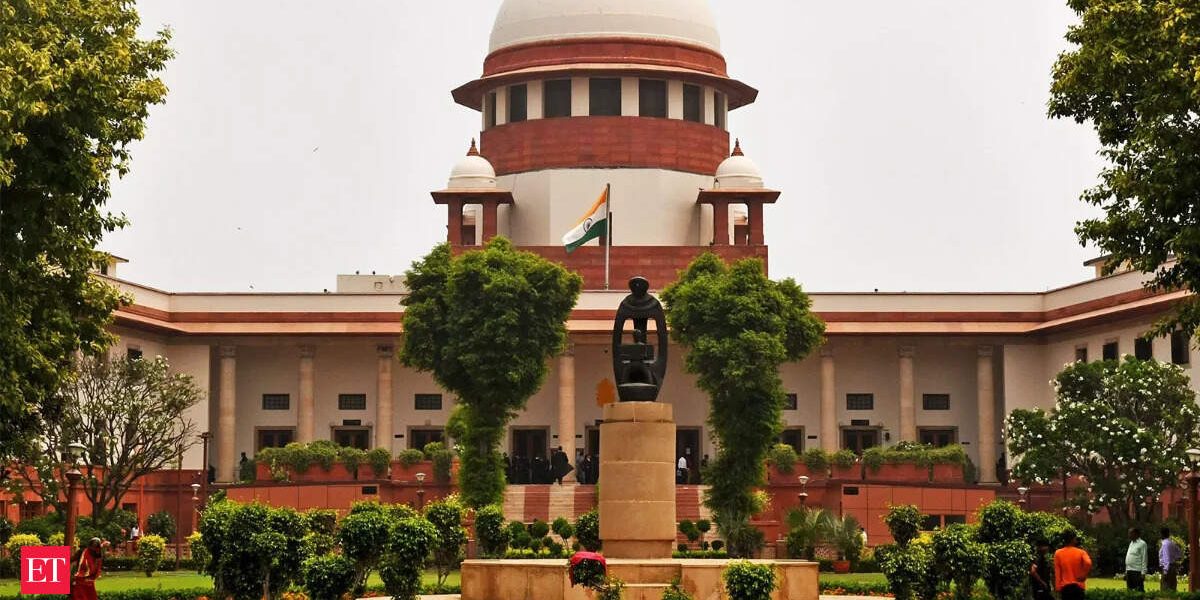
A stand-up comedian’s ill-fated ‘biryani’ joke has landed in the Supreme Court, sparking a wider debate about regulation of digital content and AI.
The SC plea, filed on Wednesday, centers around a recent stand-up comedy show in Gurugram where Pranit More made a joke about the cost of biryani being Rs 370, sparking controversy. The plea claims this incident highlights the need for a regulatory framework to govern digital content, including stand-up comedy and AI-generated content.
The plea alleges that the joke was taken out of context and used to spread false information about the Supreme Court and government officials, highlighting the ease with which misinformation can spread on social media.
The plea seeks a direction from the Supreme Court to formulate a comprehensive regulatory framework to govern digital content, including guidelines for stand-up comedy shows and AI-generated content. The aim is to ensure that digital content does not spread misinformation or hurt sensitive topics.
The Spread of Misinformation
The plea highlights the problem of misinformation on social media, citing instances of false information being spread about judges and ministers attending events. This, the plea claims, has the potential to damage the reputation of government officials and the judiciary.
The spread of misinformation has become a major concern in the digital age, and the plea seeks to address this issue by proposing a regulatory framework for digital content. The framework would aim to ensure that digital content is accurate and does not infringe on the rights of individuals or institutions.
Regulation of AI-Generated Content
The plea also seeks to regulate AI-generated content, which has become increasingly popular in recent years. AI-generated content, including deepfakes and AI-powered videos, has the potential to spread misinformation and fake news, highlighting the need for regulation.
The proposed regulatory framework would aim to ensure that AI-generated content is accurate and does not infringe on the rights of individuals or institutions. This, the plea claims, would require AI developers to take steps to ensure that their content is accurate and does not spread misinformation.
What this means
The plea’s focus on regulating digital content and AI-generated content has significant implications for the future of comedy and entertainment. A stricter regulatory framework could limit the creative freedom of comedians and entertainers, potentially stifling innovation and creativity in the industry.
However, it also highlights the need for greater accountability in the digital age and the importance of ensuring that digital content does not spread misinformation or harm sensitive topics. The proposed regulatory framework would aim to strike a balance between artistic freedom and social responsibility, ensuring that digital content is both creative and responsible.