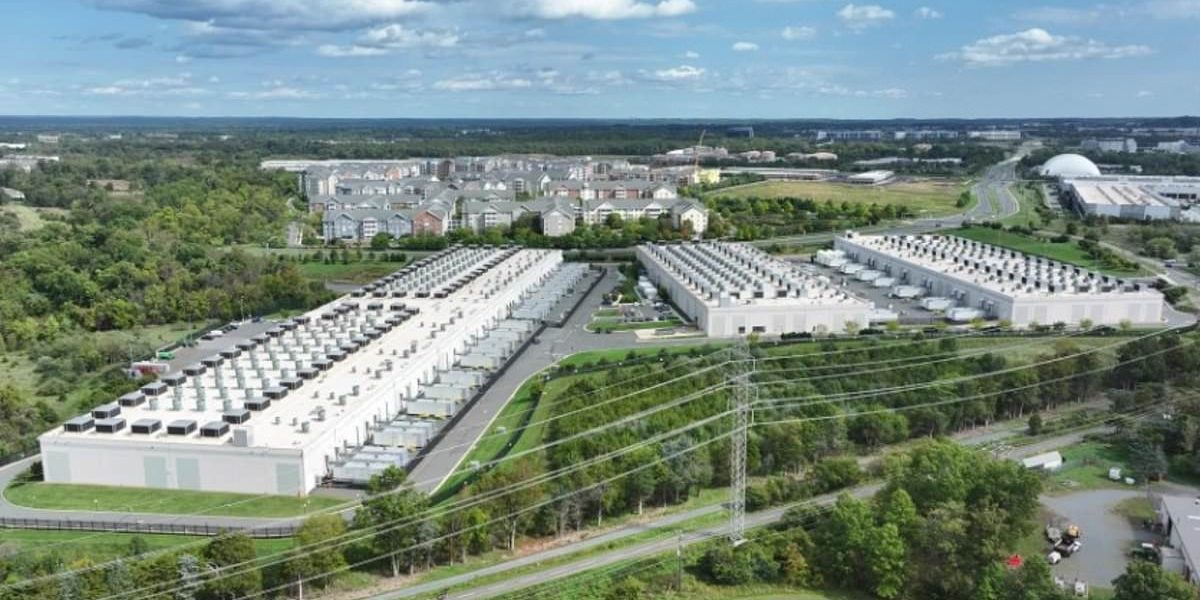
The deafening roar of a data centre can be heard from a mile away, eclipsing even the sound of a passenger jet descending onto one of Washington D.C.’s busiest airports. That’s the reality for Greg Pirio, a resident of Data Centre Alley – a sprawling stretch of land in the U.S. where giant facilities housing massive servers and equipment line the streets.
The Noise Pollution Problem
The cacophony emanating from these centres is a permanent fixture, day and night, disrupting the lives of those nearby. The noise isn’t just a nuisance; it’s a health concern. Research has shown that prolonged exposure to loud sounds can lead to tinnitus, anxiety, and even cardiovascular disease. The 133 decibel levels emitted by these data centres are more than enough to cause permanent damage to human hearing.
Air Quality Issues
Data centres also pose a threat to air quality, releasing large amounts of heat and pollutants into the environment. The burning of fossil fuels to power these centres contributes to greenhouse gas emissions, exacerbating climate change. In addition, the air conditioning systems used to cool the servers release chemicals that can cause respiratory problems in people living nearby.
The Rise of Data Centre Alley
The proliferation of data centres is on the rise, driven by the increasing demand for cloud computing and online services. As more people turn to digital platforms for entertainment, communication, and work, the need for storage and processing power grows. Data centres are being built in urban and rural areas alike, often without considering the impact on local communities.
What this means is that data centre construction could soon be arriving in your neighbourhood, whether you like it or not. As the digital landscape continues to expand, the environmental and health consequences of data centres will only grow more pressing. It’s time to reevaluate the trade-offs between convenience and the well-being of our communities – and to demand more from the companies driving this digital revolution.