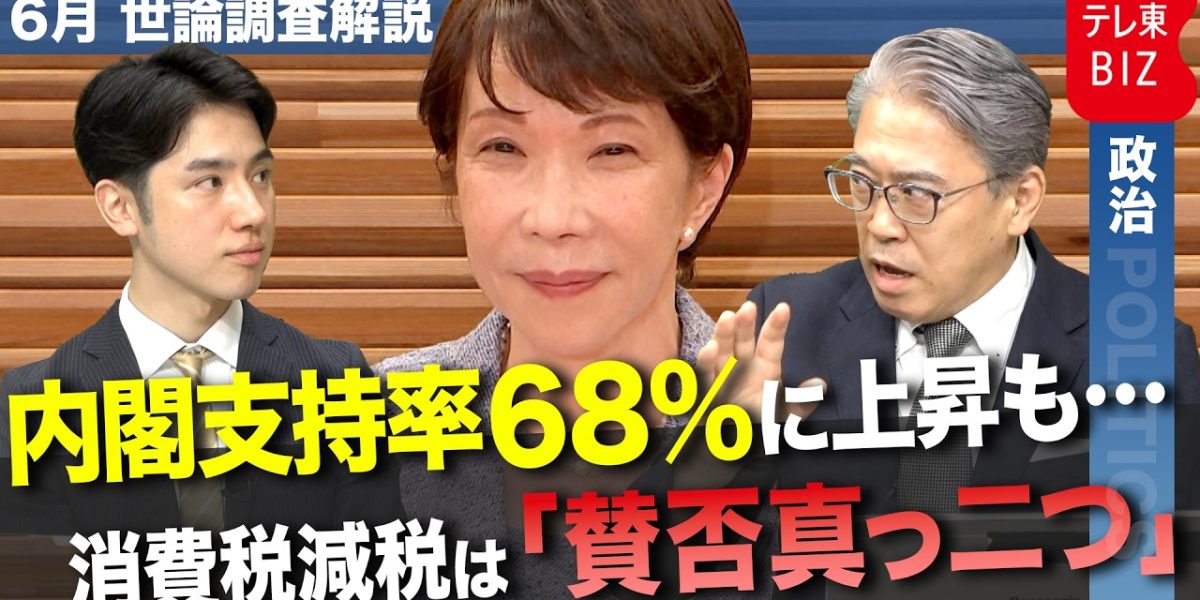
Japan’s Prime Minister Sanae Takaichi unveiled a bold plan to link economic growth, national security, and technological resilience on June 29, setting the stage for a long-term economic blueprint while signaling a tougher stance on China.
- Economic growth is no longer solely about fiscal spending, Takaichi emphasized, instead prioritizing technological innovation and infrastructure development. The government aims to allocate 5% of its annual budget to support start-ups and AI research, which is a significant increase from the current 1.5%.
- National security is also in the spotlight, with Takaichi vowing to bolster Japan’s defenses in response to China’s growing assertiveness. The government plans to boost military spending by 10% next year, largely focused on the development of advanced technologies like hypersonic missiles and unmanned systems.
- Technological resilience, in particular, is a key aspect of Takaichi’s strategy. The government aims to create a resilient digital economy by investing in cybersecurity, data protection, and AI-powered surveillance systems. This initiative is aimed at countering China’s growing influence in the region.
The government’s move is seen as a response to China’s growing economic and military presence in the region. “China’s behavior is a major concern for Japan’s national security,” said **Taro Kono**, a former defense minister and current parliamentarian. “The government’s plan to boost military spending and invest in advanced technologies is a necessary step to ensure Japan’s security and prosperity.”
### What this means
Takaichi’s plan has significant implications for Japan’s economy and national security. By linking economic growth, national security, and technological resilience, the government is signaling a willingness to invest in cutting-edge technologies like AI and cybersecurity. This move is likely to attract foreign investment and talent, while also bolstering Japan’s defenses against China’s growing assertiveness.