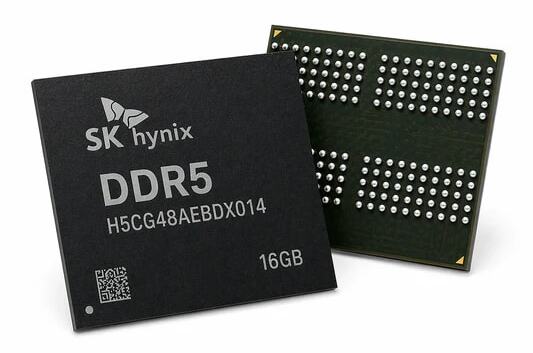
US regulators are investigating Micron Technology, Samsung Electronics, and SK Hynix over allegations of price-fixing and cartel behavior. The three companies, together known as the DRAM triarchy, have long dominated the global market for computer memory.
The class-action lawsuit, filed in a US court, accuses the companies of artificially inflating prices and limiting supply to maintain their market dominance. According to the complaint, the companies have engaged in a coordinated effort to manipulate the market and stifle competition.
The Rise of the DRAM Triarchy
The DRAM triarchy has emerged as a result of a series of mergers and acquisitions over the years. In the early 2000s, the market was dominated by three major players: Micron, Samsung, and Hynix. A series of takeovers and partnerships led to the creation of the current triarchy, with the three companies controlling over 90% of the global DRAM market.
The resulting near-monopoly has allowed the companies to dictate market prices and limit innovation. According to analysts, the lack of competition has resulted in higher prices for consumers and stifled the development of newer, more efficient memory technologies.
What this means
If the allegations are true, consumers may be due for a refund or compensation for overpaying for DRAM memory. The lawsuit also raises questions about the long-term impact of market concentration on the development of emerging technologies.
The US Department of Justice has opened an investigation into the matter, which could lead to further action against the companies. The outcome of the class-action lawsuit and the investigation will determine the extent to which the DRAM triarchy will be held accountable for their alleged anti-competitive practices.
A New Era for DRAM?
The case may also have implications for the broader tech industry. If the allegations are proven, it could pave the way for greater regulation of anti-competitive behavior in the tech sector. This could lead to increased scrutiny and enforcement actions against other dominant players in the industry.
In the short term, consumers may be able to expect more affordable DRAM options as the market becomes more competitive. However, the long-term consequences of the alleged price-fixing and cartel behavior will only become clear with further developments in the case.