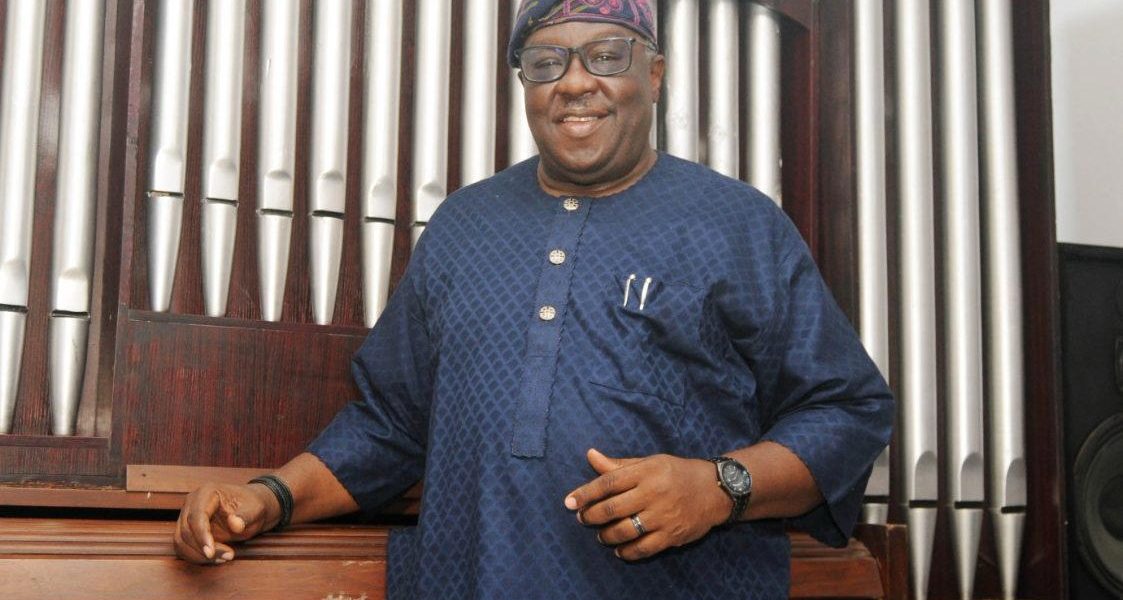
Lanre Delano, a classical music virtuoso, has been on a mission to revive liturgical organ music in Nigeria, and his efforts are finally paying off. The premier of organ music studies in Nigeria is a testament to Delano’s dedication and perseverance.
The Problem with a Forgotten Art Form
Liturgical organ music, once a staple in Nigeria’s churches, has been slowly dying out due to a combination of factors. The lack of exposure, training, and resources has made it difficult for aspiring organists to learn and master the craft. This has led to a decline in the number of skilled organists, making it challenging for churches to find capable performers.
Delano, a renowned pianist and organist, has been on a quest to change this narrative. He has spent decades advocating for the preservation of liturgical organ music, and his efforts have finally yielded results. The premier of organ music studies in Nigeria is a significant milestone, marking a new era for the country’s musical landscape.
Tactical Advocacy and Infrastructural Investment
So, how did Delano achieve this feat? According to him, strategic advocacy and infrastructural investment were key. He worked closely with church leaders, music schools, and government institutions to raise awareness about the importance of liturgical organ music. He also invested in building and equipping organs in churches, creating opportunities for training and performances.
Delano’s approach was not just about promoting the art form but also about creating a sustainable ecosystem. He established collaborations between music schools, churches, and government agencies to provide training, resources, and job opportunities for aspiring organists. This multifaceted approach has helped to create a ripple effect, inspiring a new generation of organists and enthusiasts.
What This Means for Nigeria’s Musical Future
The premier of organ music studies in Nigeria marks a significant shift in the country’s musical landscape. With more skilled organists emerging, churches will have access to talented performers, enriching their worship experiences. The revival of liturgical organ music will also contribute to Nigeria’s rich cultural heritage, showcasing the country’s unique blend of traditional and modern musical styles.
For Delano, this achievement is a testament to the power of dedication and perseverance. His work serves as a reminder that even the most seemingly insurmountable challenges can be overcome with the right strategic approach and commitment to a cause. As Nigeria’s musical landscape continues to evolve, Lanre Delano’s legacy will undoubtedly inspire future generations to preserve and promote the country’s rich musical heritage.