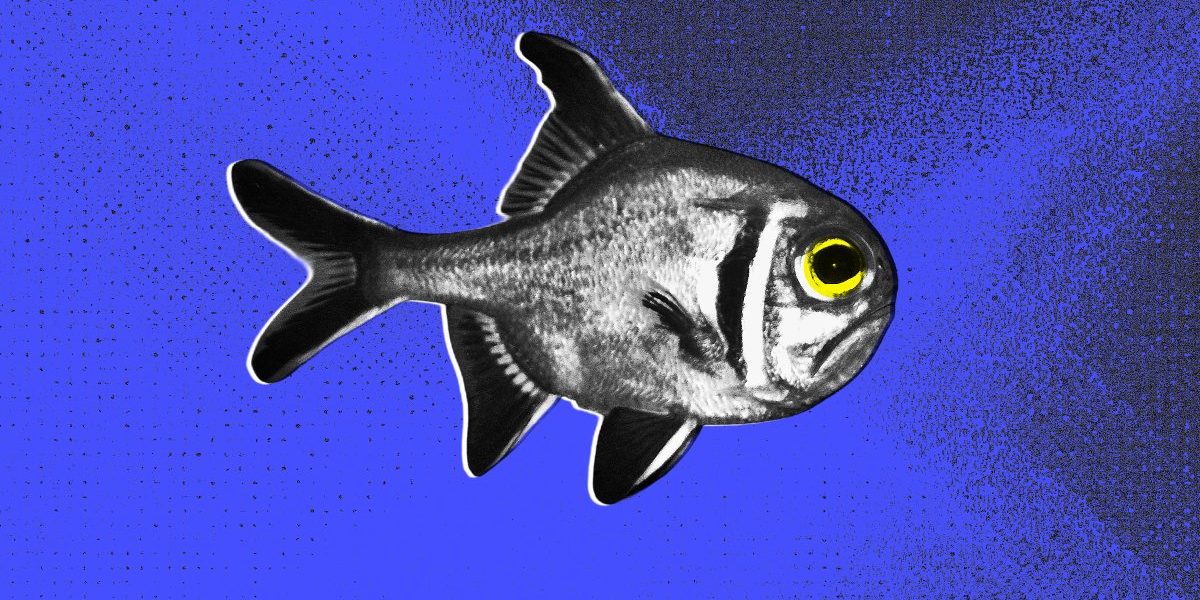
A team of researchers has discovered a dark side to city life: artificial light spilling into the ocean is causing fish to live shorter, more miserable lives.
Artificial Nightmares on the Reef
The study, published by a team of scientists, found that fish exposed to artificial light pollution are more stressed, have disrupted circadian rhythms, and are struggling to find food and mates.
Co-author Dr. Maria Rodriguez explained that the impact is far-reaching: “The consequences could ripple throughout the reef ecosystem.” This means that even fish that aren’t directly affected by light pollution might still feel the effects, as the entire ecosystem is interconnected.
The researchers observed a significant difference in the behavior of fish in areas with high levels of artificial light pollution. They’re not just stressed – they’re also having trouble reproducing and finding food due to the constant disruption.
What this Means
For coastal residents and businesses, this might seem like a reason to turn off the lights. But the effects of artificial light pollution can be subtle and hard to measure. What it means for you is that reducing unnecessary artificial light at night might be a small step towards preserving local marine ecosystems.
In addition, the study highlights the importance of considering the impact of our daily activities on the environment. As cities continue to grow and light up, it’s essential to think about the long-term effects on the ocean and its inhabitants.
Turning Down the Bright Lights
Researchers suggest that reducing artificial light pollution could be as simple as turning off the lights in coastal areas, using specialized lighting that minimizes light pollution, or even just being more mindful of when and where we shine our lights.
While it’s a small step, every little bit counts when it comes to preserving the delicate balance of our ocean ecosystems. And for the fish on the reef, every bit of peace and quiet is a blessing.