Pope’s AI Warning: ‘Morally Neutral’ Claim Dismissed as Elusive
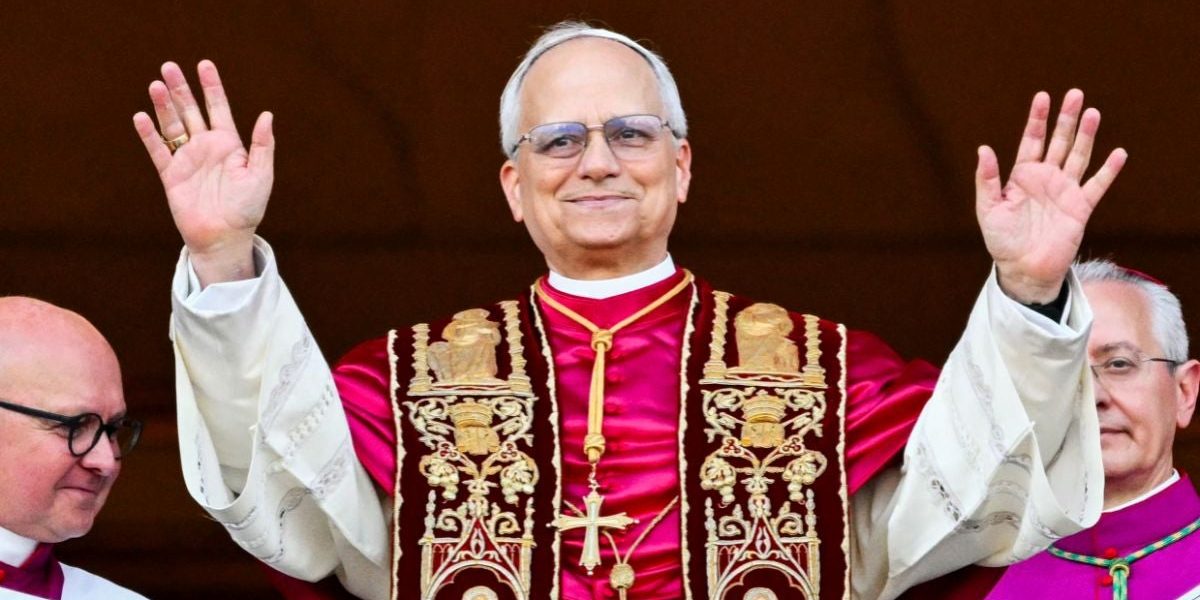
The Catholic Church’s highest authority, **Pope Leo XIV**, has sounded the alarm on artificial intelligence, stating it’s impossible to consider AI as morally neutral. This latest call to action comes as the global AI community continues to grapple with the technology’s vast implications.
The Pope’s recent statement emphasizes the need for more nuanced discussions around AI’s ethics. “Ethical discernment cannot be limited to asking whether we are using a system for good or bad purposes,” Pope Leo XIV writes.
AI’s Moral Ambiguity
The notion of AI as a morally neutral entity has been a popular narrative, with many experts arguing that the technology’s morality depends on how it’s used. However, the Pope’s remarks suggest that AI’s inherent nature goes beyond its intended applications. This perspective is echoed by AI ethicists who argue that AI systems are designed with inherent biases and value systems that can perpetuate harm, regardless of their intended goals.
The Pope’s stance is likely influenced by the Church’s historical concerns about the ethics of emerging technologies. As AI becomes increasingly integrated into various aspects of life, the need for a more comprehensive understanding of its moral implications becomes pressing.
What This Means
The Pope’s warning highlights the importance of acknowledging AI’s moral complexity. This means that developers, policymakers, and users must work together to create more transparent and accountable AI systems. By recognizing AI’s inherent moral biases, we can begin to design systems that promote fairness, empathy, and human values.
The Pope’s call to action serves as a reminder that the AI conversation must extend beyond technical capabilities and focus on the human impact of these technologies.