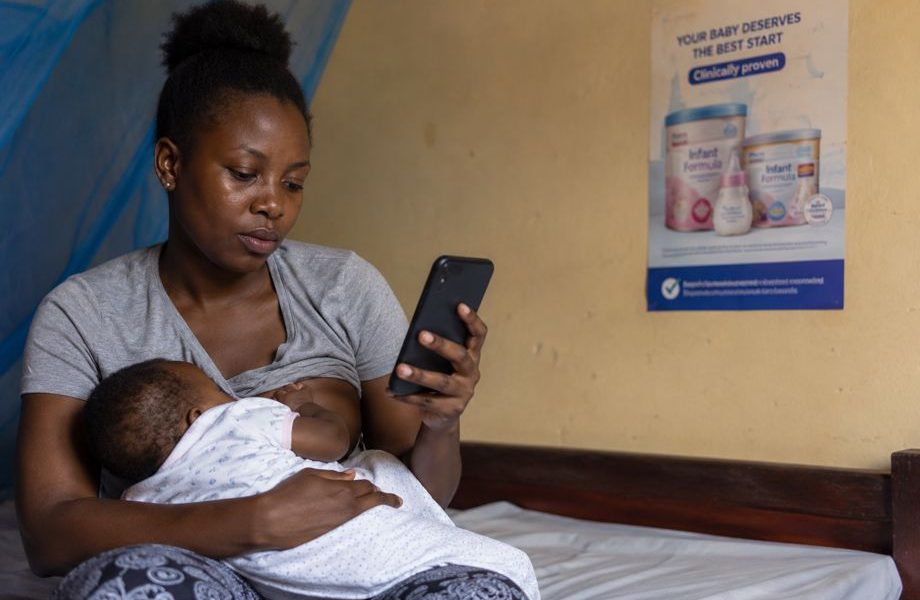
An estimated **$10 billion** is spent annually on advertising infant formula globally, much of it through digital channels that increasingly target vulnerable new mothers.
The World Health Organization (WHO), UNICEF, and the International Baby Food Action Network (IBFAN) have released a report warning that aggressive marketing of formula is undermining breastfeeding worldwide.
Formula companies are using various tactics to get in front of new mothers – from sponsored social media content to targeted online ads, and in many cases, even infiltrating healthcare systems. The report found that some companies are offering free formula samples and coupons to healthcare providers, who then give them out to new mothers, often without their knowledge or consent.
This kind of marketing is particularly insidious, say experts, because it happens at a time when mothers are most vulnerable and likely to be influenced by the message. “These mothers are not just consumers; they’re making life-or-death decisions for their children,” says Joan Walsh**, an IBFAN advisor. “We need to protect them from this kind of exploitation.”
What this means
For many new mothers, breastfeeding can be a source of stress and anxiety, especially if they face challenges like difficulty latching or pain. But aggressive marketing of formula can compound these worries by creating unrealistic expectations and pressure to use a formula. In some cases, mothers may feel like they need to buy formula because it’s “best” for their baby’s health or development, even if that’s not the case.
Avoiding the pitfalls
The WHO and UNICEF have been working to regulate the marketing of formula for years, but more needs to be done to protect new mothers from these tactics. To avoid falling prey to formula marketing, new mothers should be cautious of unsolicited offers of free samples or coupons, and should ask their healthcare providers about the sources of information they’re being given. It’s also essential to prioritize breastfeeding support and resources, and to speak up if they feel pressured or coerced into using formula.
Regulatory action
The WHO and UNICEF are calling on governments to take action to address the issue of formula marketing. This includes implementing and enforcing regulations that prohibit formula companies from targeting vulnerable new mothers, and providing more support and resources for breastfeeding. By taking a stand against the aggressive marketing of formula, we can work towards a world where breastfeeding is valued and supported, not undermined.