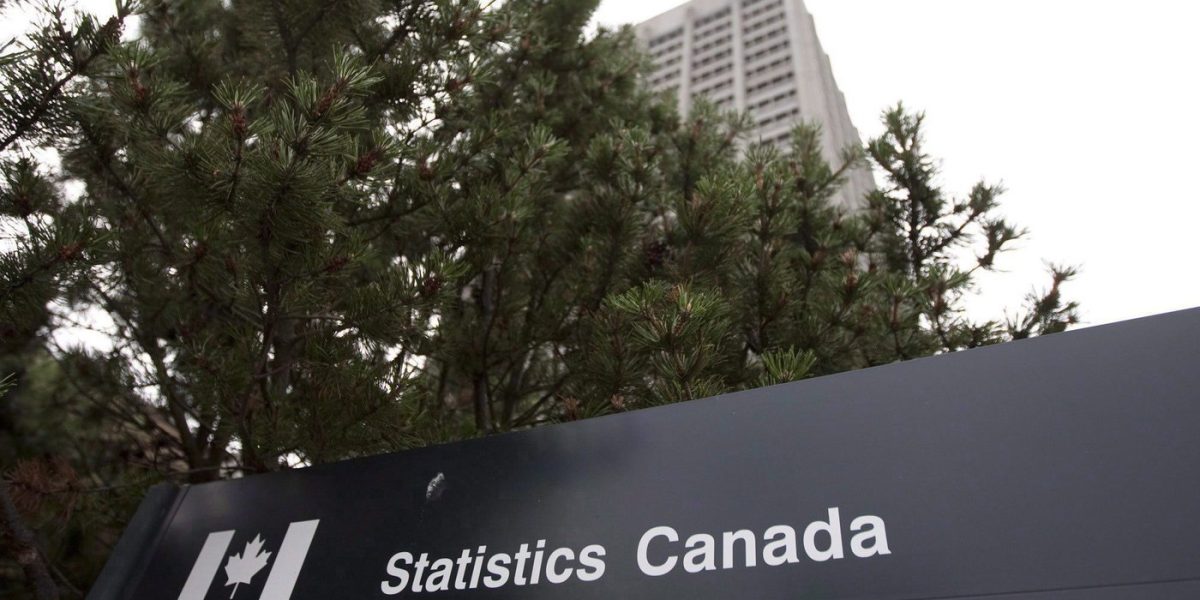
Canada’s economy has been a source of concern lately, and a key reason is the quality of data used to analyze it. A growing number of economists, including those at the Bank of Canada, are sounding the alarm about the accuracy of data from Statistics Canada, the country’s national statistical agency.
Data Discrepancies Cause Fears of Economic Misdirection
The recent surprise contraction of the economy, reported by Statistics Canada, has left many economists puzzled. The Bank of Canada was not alone in underestimating the decline, with the consensus estimate far off the mark. This has raised questions about the reliability of the data and its potential impact on monetary policy decisions.
Statistics Canada’s data is widely used by policymakers, businesses, and researchers to make informed decisions. However, the discrepancies in the latest estimates have cast doubts on the agency’s ability to provide accurate information.
Causes and Consequences: The Data Quality Problem
Statistics Canada’s data quality issues are attributed to various factors, including changes in data collection methods, sample sizes, and survey responses. The agency has been facing challenges in adjusting to these changes, leading to inaccuracies in its estimates.
The consequences of poor data quality are significant. Misleading economic indicators can influence investment decisions, monetary policy, and overall economic growth. This, in turn, can have a ripple effect on businesses, consumers, and the broader economy.
What This Means for Canada’s Economy
The data quality problem in Canada is a wake-up call for policymakers, businesses, and researchers to re-examine their reliance on Statistics Canada’s data. It’s essential to acknowledge the limitations and inaccuracies in the data and to explore alternative sources or methods to ensure more accurate economic assessments.
By addressing the data quality issue, Canada can move towards more informed decision-making, reducing the risk of misdirection and promoting a more stable economic environment. This means that policymakers, businesses, and investors must be vigilant in seeking out high-quality data and be willing to adapt to changes in the data landscape.