Explorers Use AI to Map the Uncharted Depths of Veryovkina Cave
A team of intrepid cavers has turned to artificial intelligence (AI) to map the labyrinthine passages of Veryovkina Cave, one of the world’s deepest and most inaccessibly located subterranean systems. The cave, situated in the Caucasus mountains, is a dizzying 2,212 metres straight down into the earth.
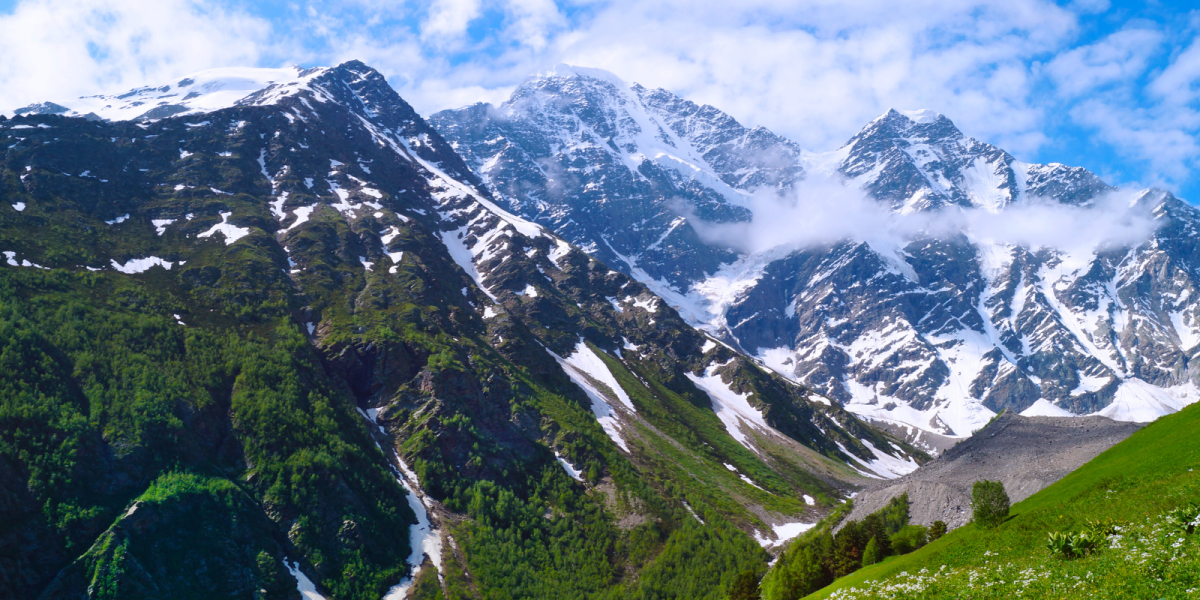
The Veryovkina Cave’s entrance is an unassuming square opening, measuring just three metres wide and four metres long, on the side of a remote mountain at an elevation of 2,285 metres. However, beneath this seemingly inconspicuous entrance lies a vast network of caverns, waterfalls, and vertical shafts that challenge even the most seasoned explorers.
Overcoming the Challenges of Cave Mapping
The cave’s extreme environment has made traditional mapping methods virtually impossible. Prolonged exposure to near-freezing temperatures, combined with absolute darkness so profound that explorers report hallucinations, poses significant risks to human safety. The team has therefore employed AI-powered technologies to circumvent these obstacles.
Using AI, the team has successfully mapped large sections of the cave, avoiding the need for human explorers to physically navigate the treacherous terrain. This approach has greatly accelerated the mapping process and enabled researchers to gather critical data on the cave’s unique geology and ecosystems.
Unlocking New Discoveries in Cave Exploration
The AI-driven mapping of Veryovkina Cave is a major breakthrough in the field of cave exploration. By deploying AI in these extreme environments, researchers can now gather data that would be impossible for humans to collect, providing new insights into the geological and biological processes that shape our planet.
What this means: AI is no longer confined to the digital realm; it’s increasingly being used in the harshest of physical environments to unlock new discoveries and push the boundaries of human exploration. As this technology continues to evolve, we can expect to see more innovative applications in fields like environmental science, archaeology, and even space exploration.