Morgan Stanley Predicts Explosive Growth in China’s Humanoid Robot Market
Morgan Stanley has more than doubled its forecast for China’s humanoid robot shipments, citing accelerated commercialization and early success in real-world deployment scenarios. The bank’s analysts are now predicting a much stronger market than initially anticipated, driven in part by the increasing adoption of these advanced robots in industries like manufacturing, healthcare, and logistics.
The new forecast was revealed in a recent report, which highlighted the rapid progress being made in China’s humanoid robotics sector. According to Morgan Stanley, the country’s humanoid robot shipments are expected to reach **1.2 million units by 2027**, up from a previous estimate of **500,000 units**. This represents a staggering growth rate, with the market potentially expanding by as much as **140%** annually over the next few years.
Accelerated Commercialization Drives Growth
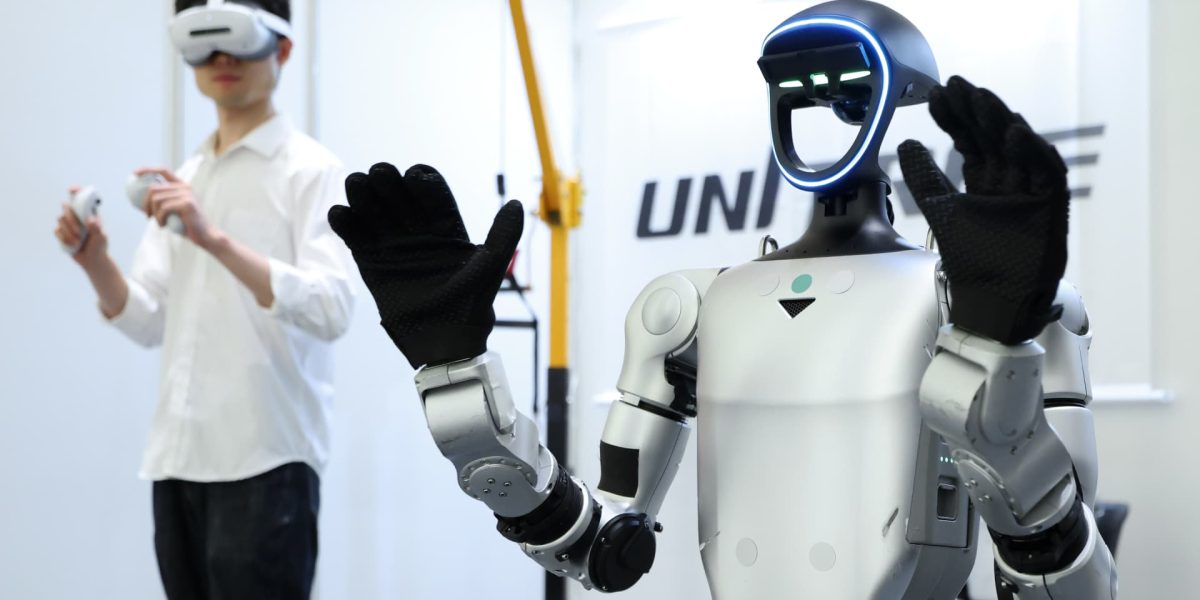
The key driver behind this revised forecast is the increasing commercial deployment of humanoid robots in various real-world scenarios. Companies like Unitree Robotics, whose G1 humanoid robot was on display at the Humanoids Summit in Tokyo earlier this month, are already seeing success in industries like manufacturing, where these robots can perform complex tasks with high precision and speed. As more companies follow suit, the demand for humanoid robots is expected to skyrocket.
Implications for Industries and Consumers
The implications of this rapid growth in China’s humanoid robot market are far-reaching, with potential impacts on industries and consumers alike. For industries, the increased adoption of humanoid robots could lead to significant productivity gains, improved efficiency, and enhanced competitiveness. For consumers, the availability of humanoid robots could bring about new possibilities for service and companionship, with potential applications in healthcare, education, and social care.
What this means for you: As humanoid robots continue to gain traction in the Chinese market, we can expect to see increased investment and innovation in this sector, leading to potentially transformative changes in various industries and aspects of our daily lives.