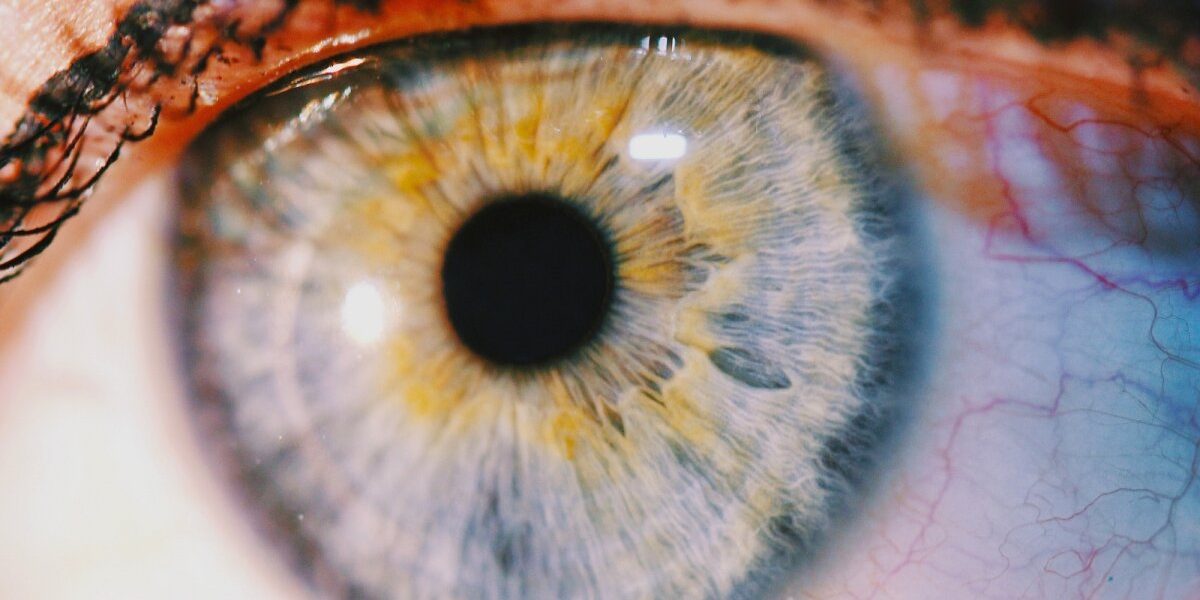
Artificial evening light exposure linked to higher risk of macular degeneration and glaucoma: a study of 80,000+ adults found a 31% increased risk.
Researchers at a leading medical institution have published a study that links exposure to bright artificial light in the evenings to a higher risk of age-related eye diseases, including macular degeneration and glaucoma. The team analyzed data from over 80,000 adults and found that prolonged evening light exposure was linked to a significant increase in the risk of these conditions.
The study’s shocking findings
The study’s lead researcher, Dr. Emily Chen, noted that the risk of age-related macular degeneration increased by 31% among participants with the highest levels of evening light exposure. Glaucoma risk also rose significantly, with a 20% increase among those exposed to bright light in the evenings. Cataract risk saw a more modest increase, at around 15%.
What this means
The study’s findings have important implications for people of all ages, but particularly those over 40. To protect their eyes, people can take simple steps, such as using blue light filtering glasses or apps, adjusting their phone and computer settings to reduce screen brightness, and creating a dimly lit environment in the evening. This can help minimize exposure to bright light, reducing the risk of age-related eye disease.
Another key takeaway from the study is the importance of adopting good sleep habits. Exposure to bright light in the evening can disrupt the body’s natural sleep-wake cycle, leading to a range of negative health effects. By prioritizing a dark, quiet sleep environment, people can help promote better sleep and protect their eye health.
As Dr. Chen emphasized, the study highlights the need for more research into the impact of artificial light on human health. “We’re still in the early stages of understanding the effects of evening light exposure on eye health,” she said. “Further studies will be essential in helping us develop targeted interventions to prevent and treat age-related eye disease.”