Blade Runner 2049 boasts a team of scientists who consulted on the film’s depiction of synthetic biology and AI, making its androids feel eerily real. What this means is that movies and shows that take the time to get science right can inspire new breakthroughs and spark interest in STEM fields.
How Science Fiction Can Inspire Breakthroughs
Take, for instance, the movie Interstellar. Physicist Kip Thorne was brought on board to ensure the film’s depiction of wormholes and gravitational forces was accurate. As a result, the movie’s visuals and dialogue became a teaching tool for students and scientists alike. This collaboration between art and science has the potential to make complex concepts more accessible and engaging for a wider audience.
Data-Driven Storytelling in Westworld
Westworld, an HBO series, features a team of researchers from the University of California, Berkeley, who helped create the show’s AI, which is based on real machine learning algorithms. The result is a narrative that explores the implications of AI on society, raising important questions about the ethics of artificial intelligence.
AI in Sci-Fi: From Drones to Cybersecurity
Science fiction is not just limited to AI and robotics; it also explores other emerging technologies like drones and cybersecurity. The movie “Sky Captain and the World of Tomorrow” (2004) features a plot driven by drone technology, which was relatively new at the time. Meanwhile, the show “Mr. Robot” explores the world of cybersecurity, where hackers use AI-powered tools to infiltrate and disrupt systems.
Sci-Fi as a Learning Tool
Science fiction can serve as a learning tool, making complex concepts more interesting and accessible. When done correctly, it can inspire new breakthroughs and spark interest in STEM fields. By incorporating scientific accuracy into storytelling, creators can inspire a new generation of scientists, engineers, and innovators.
Real-World Applications in Sci-Fi
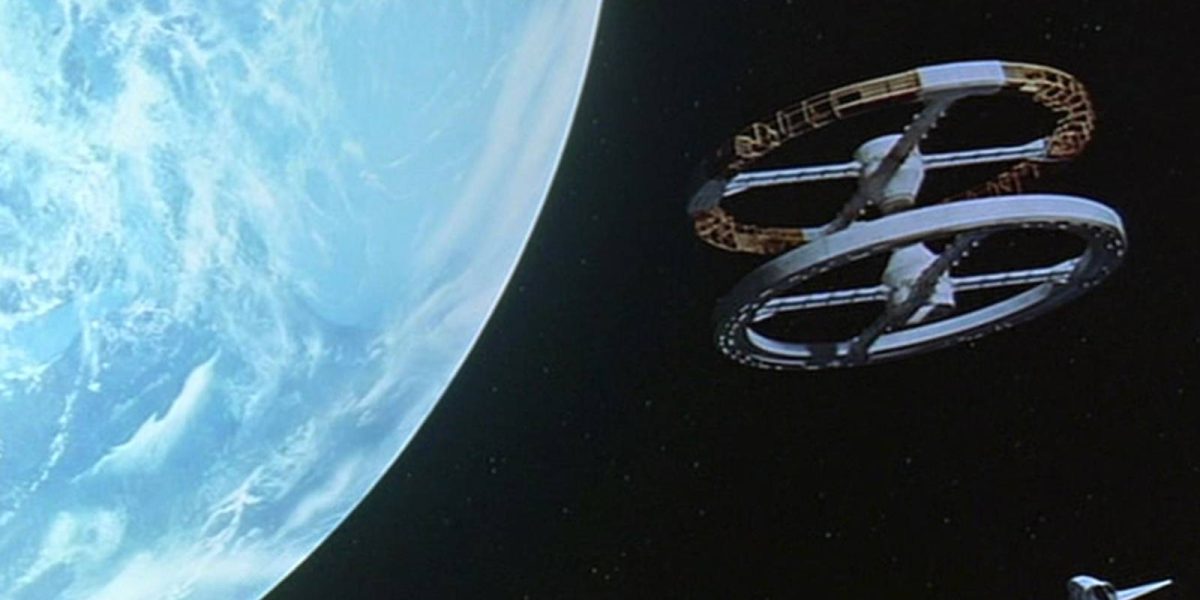
The show “The Expanse” features a team of physicists who consulted on the show’s depiction of rotating space stations and gravitational forces. This attention to detail makes the show’s universe feel more realistic and engaging. Similarly, the movie “The Martian” features a team of NASA experts who helped develop the film’s depiction of survival techniques on the red planet.