Josh Shapiro’s Economic Deal Sparks Backlash
Pennsylvania voters are getting a close look at the trade-offs behind big economic development deals, and data centers are at the center of a contentious debate. The $20 billion deal touted by Governor Josh Shapiro last June has turned out to be a double-edged sword.
Data Centers in the Crosshairs
Shapiro announced the deal as the state’s largest economic development agreement ever, with many data centers set to be built in the state. Data centers are the backbone of the digital economy, housing servers that store and process vast amounts of data for companies like Google, Amazon, and Facebook. But while Governor Shapiro sees the data centers as a key part of the state’s future economic growth, not everyone is sold on the idea.
Red Tape and Resistance
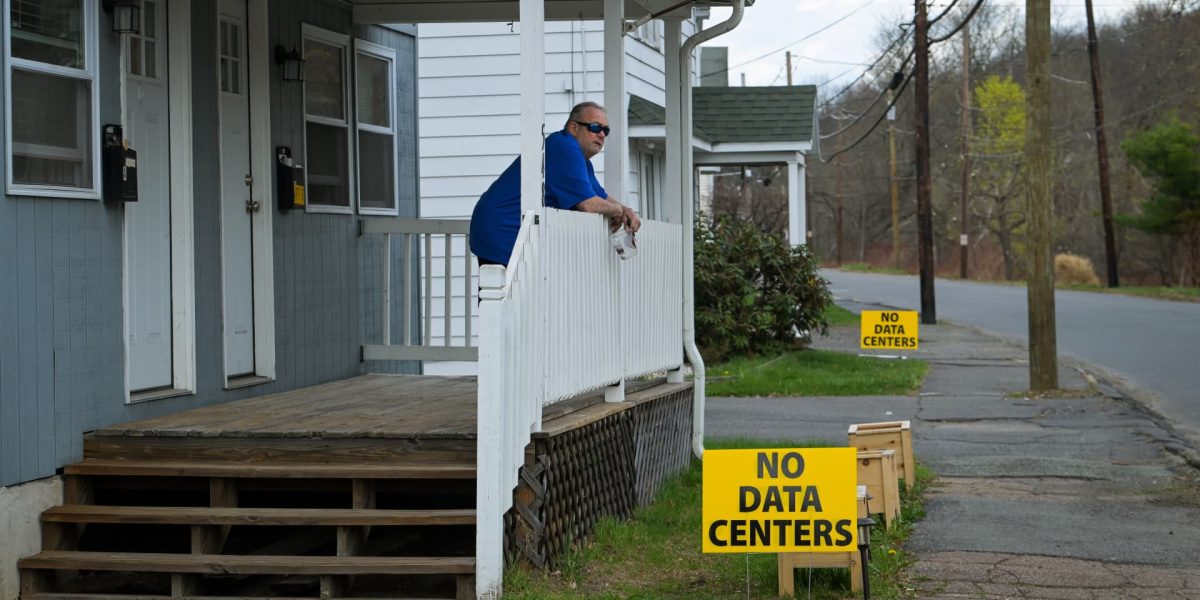
Companies are increasingly lobbying states to cut regulations and “streamline” the approval process for projects like data centers. But Governor Shapiro’s deal has exposed the potential risks of this approach. Local residents are objecting to the environmental and noise concerns associated with data centers, sparking a backlash against the development.
A Closer Look at the Costs
The backlash highlights the trade-offs behind big economic deals. While Governor Shapiro’s deal promises to bring in billions in investment, it also comes with significant costs for local communities. Environmental groups are sounding the alarm about the potential impact of data centers on air and water quality, noise pollution, and local ecosystems.
What this means
What this means for voters is a nuanced view of the economic development deals that states like Pennsylvania are rushing to secure. While big businesses and politicians may tout the benefits of these deals, local residents are demanding a closer look at the potential costs. It’s a debate that’s set to continue in the coming months as states weigh the trade-offs between economic growth and environmental concerns.