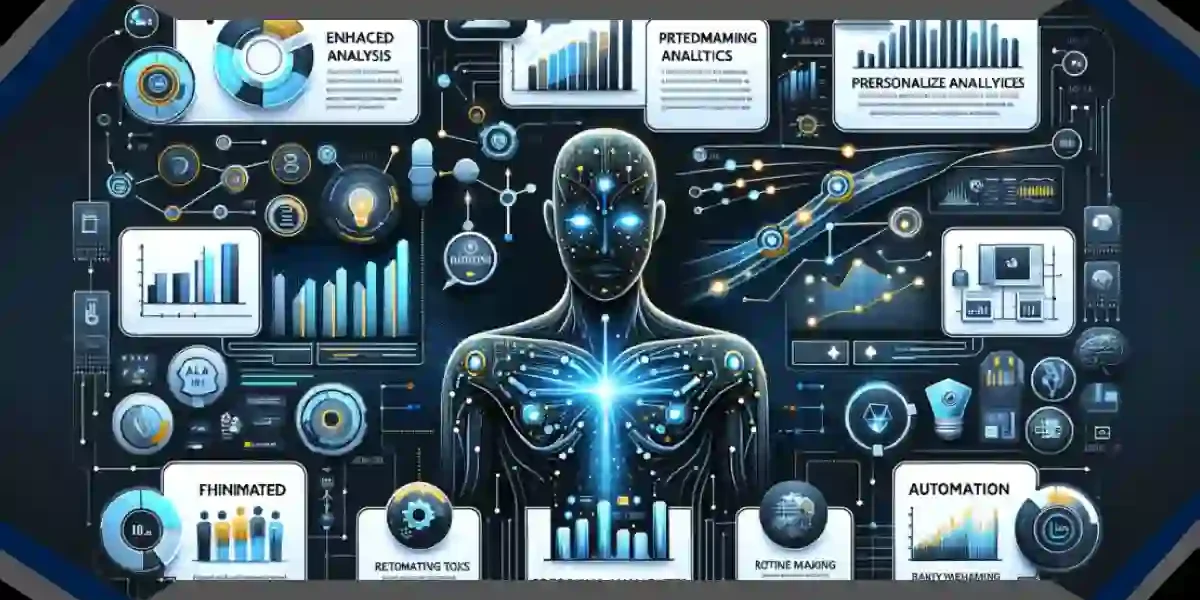
Artificial intelligence is being embedded into company processes everywhere, with a major focus on automating mundane tasks.
Large businesses like Tesla and Amazon are already leveraging AI in their operational infrastructure. They’re using AI-driven systems to streamline logistics, manage supply chains, and enhance employee productivity. By automating tasks such as data entry, customer service, and inventory management, companies can save time and resources, allowing them to allocate budgets to more strategic and innovative pursuits.
The rise of AI in business operations is also leading to more data-driven decision-making. With the help of machine learning algorithms, companies can analyze vast amounts of data and uncover valuable insights that inform their business strategies. This shift towards data-driven decision-making is helping organizations to stay ahead of the competition and make better decisions that drive growth and profitability.
The Role of AI in Enhancing Employee Productivity
AI-driven systems are no longer limited to automating mundane tasks; they’re also being used to improve employee productivity and engagement. By providing personalized support and recommendations, AI-powered tools can help employees to work more efficiently and effectively, leading to increased job satisfaction and reduced turnover rates. This, in turn, can lead to significant cost savings for companies and improved overall business performance.
The Challenges Associated with Implementing AI in Business Operations
While the benefits of AI in business operations are numerous, there are also several challenges associated with implementing AI-driven systems. For one, companies need to ensure that they have the necessary talent and expertise to develop and deploy these systems effectively. Additionally, companies need to be mindful of the potential risks associated with AI, including bias and job displacement. Addressing these challenges will be crucial to realizing the full potential of AI in business operations.
What this means: As AI continues to transform business operations, companies that fail to adapt and innovate may find themselves struggling to compete in an increasingly digital landscape. Those that successfully implement AI-driven systems will be well-positioned to drive growth, improve profitability, and stay ahead of the competition.