Jamie Dimon Sounds Alarms on the Economy: A ‘Little Tsunami’ Ahead
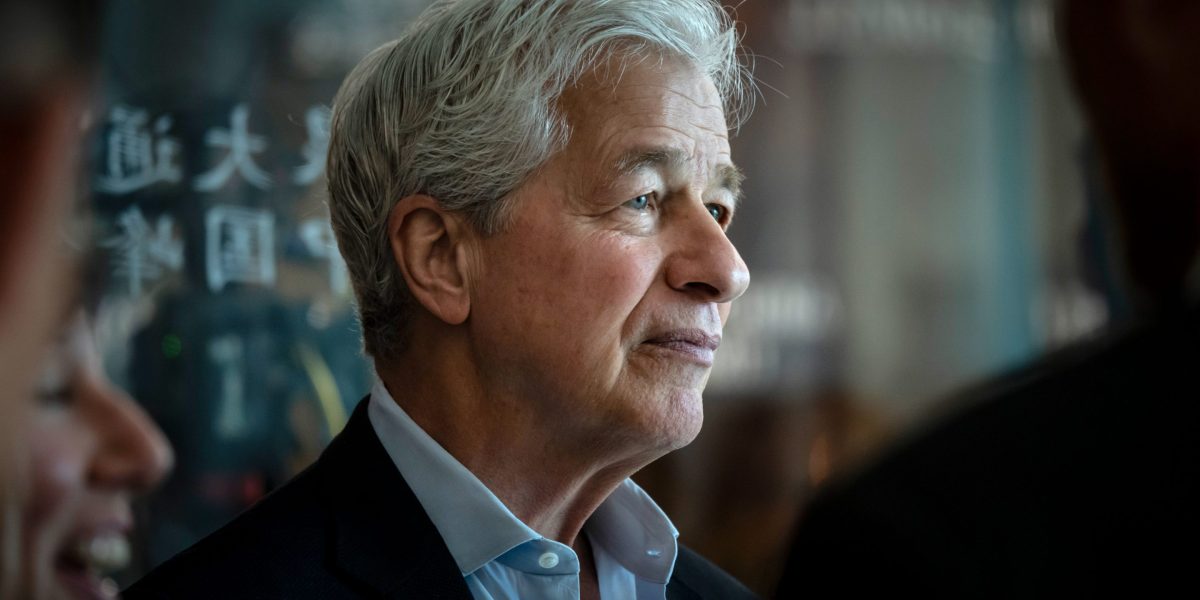
Jamie Dimon, the CEO of JPMorgan Chase, is known for his sharp instincts on the economy. And right now, he’s scratching his head over the stock market’s resilience.
“I am surprised because I think that you have Ukraine, Iran, oil, Russia, and our relationship with China,” Dimon said, citing a laundry list of global tensions that would normally have investors on edge.
Markets across the world have had plenty to worry about in the past decade. A global pandemic, a major war between Ukraine and Russia in Europe, steady inflation across major economies, including the United States, the UK, and the EU – you name it.
So, why isn’t the stock market tanking? Dimon points out that these global tensions aren’t translating into economic disaster… yet. “That stuff is really important for the free world, but it’s not necessarily the economy today,” he said.
The Disconnect Between Global Tensions and the Economy
Dimon isn’t alone in his surprise. Economists are scratching their heads, trying to understand why the economy isn’t reacting more strongly to these global pressures.
One theory is that the global economy has become so complex, with so many different factors at play, that it’s hard to pinpoint a single cause for the resilience of the stock market. Add to that the fact that interest rates are still relatively low, and it’s easier for investors to take risks.
What This Means
Dimon’s warning, while ominous, shouldn’t be taken as a prediction of a full-blown economic crisis. But it does suggest that investors should be prepared for a potential downturn in the economy.
For individuals, this means being mindful of their investments and not getting caught off guard by a sudden market shift. It’s a reminder to diversify your portfolio, stay informed, and be prepared for any eventuality.
For businesses, it’s time to review their risk management strategies and be prepared for a potential economic downturn. This might mean cutting costs, diversifying revenue streams, or building up cash reserves.