**Elon Musk’s Double Dilemma: Choosing Between Tesla and SpaceX**
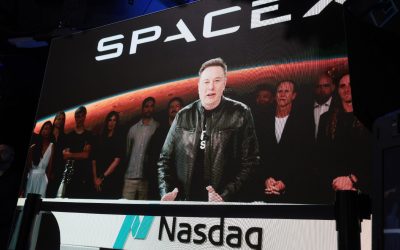
Tesla’s dominance in the electric vehicle space has long made it a staple of every growth investor’s portfolio, but now that SpaceX has joined its parent company on the public markets, investors must weigh the merits of Musk’s two biggest endeavors.
**Tesla: The Electric Giant**
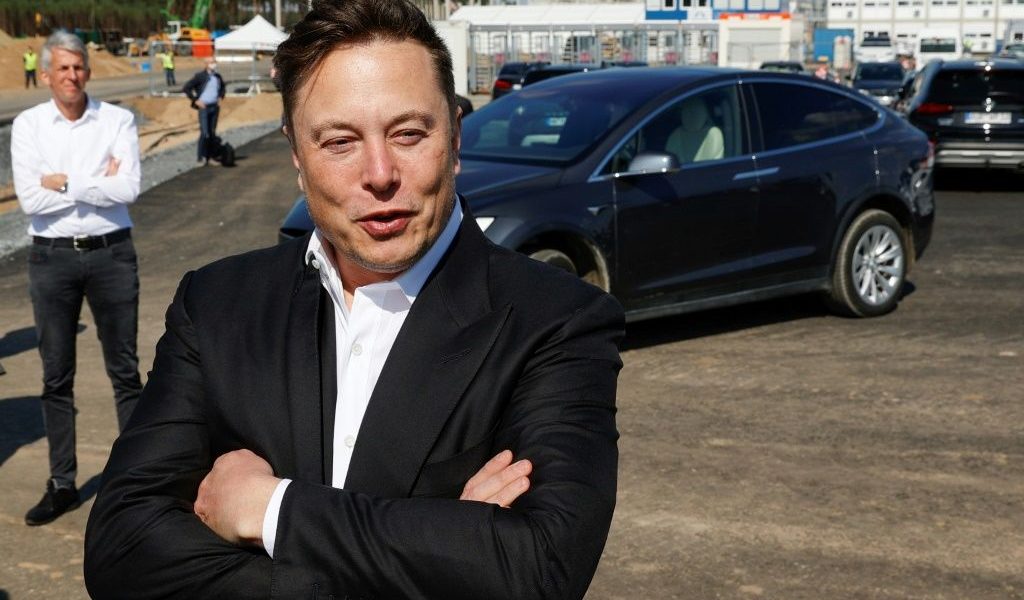
With a market cap of over $1 trillion, Tesla is still a behemoth in the automotive industry. Its focus on sustainable energy and cutting-edge technology has won over millions of customers worldwide. The company’s recent successes with the Cybertruck and the Model Y have cemented its position as the leader in electric vehicle sales. **Tesla’s Q1 2026 earnings report saw the company’s profit margins reach an astonishing 15%, a testament to its operational efficiency**. As the world transitions towards a more electric future, Tesla’s strong brand and extensive Supercharger network make it an attractive investment opportunity.
**SpaceX: The Spacebound Upstart**
On the other hand, SpaceX has been quietly revolutionizing the space industry with its reusable rockets and ambitious lunar ambitions. With a valuation of over $500 billion, the company has gained significant traction in recent years. **Its Starship program, aiming to establish a permanent human presence on the lunar surface, has garnered widespread attention and investment**. With the increasing demand for satellite launches and space exploration, SpaceX’s growth potential is substantial.
**What this means**
Investors now face a difficult decision between two distinctly different companies with vastly different growth trajectories. While Tesla’s established brand and operational efficiency make it a safer bet, SpaceX’s innovative ventures and space industry presence offer tremendous upside potential. Ultimately, investors must weigh their own risk tolerance and investment goals to decide which Musk stock is the better buy in 2026.
**A Potential Merger: A Wildcard in the Equation**
Some analysts speculate that a merger between the two companies could be on the horizon, potentially creating a $2 trillion behemoth with unparalleled resources and expertise. While this remains speculative, a potential merger could amplify both companies’ growth potential and solidify their positions in their respective industries. However, a merger would also likely lead to significant regulatory hurdles and potential disruptions to both companies’ operations.