AI-Powered Fusion Breakthrough Clears Regulatory Hurdle in Washington State
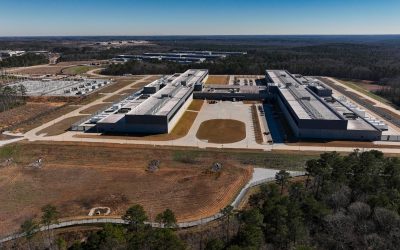
Helion Energy just got the green light to build what it claims will be the world’s first commercial nuclear fusion power plant in Washington State, a move that could revolutionize the way we generate energy.
The company has secured the necessary regulatory licenses from the Washington Department of Health (DOH), a crucial step towards making fusion power a reality.
Why This Matters: Clean Energy on a Global Scale
Nuclear fusion, the process of combining atomic nuclei to release vast amounts of energy, has long been touted as a clean and nearly limitless source of power. If successful, Helion’s plant could provide a significant portion of the world’s energy needs without emitting greenhouse gases or radioactive waste.
Fusion: A Clean and Nearly Limitless Energy Source
Helion’s technology uses a process called magnetic confinement to heat plasma to incredibly high temperatures, creating a self-sustaining reaction. The company claims its design is more efficient and cost-effective than previous attempts at fusion power.
The regulatory approval is a significant vote of confidence in Helion’s technology, but the company still faces significant challenges before commercial operation can begin. The Washington Department of Ecology, for example, must still issue a construction permit, and the U.S. Nuclear Regulatory Commission (NRC) will need to oversee the project’s safety and security.
What This Means
The potential for fusion power to disrupt the global energy landscape is enormous. If successful, Helion’s plant could pave the way for widespread adoption of clean energy, reducing our reliance on fossil fuels and mitigating the effects of climate change. The stakes are high, but the reward could be a future powered by clean, nearly limitless energy.