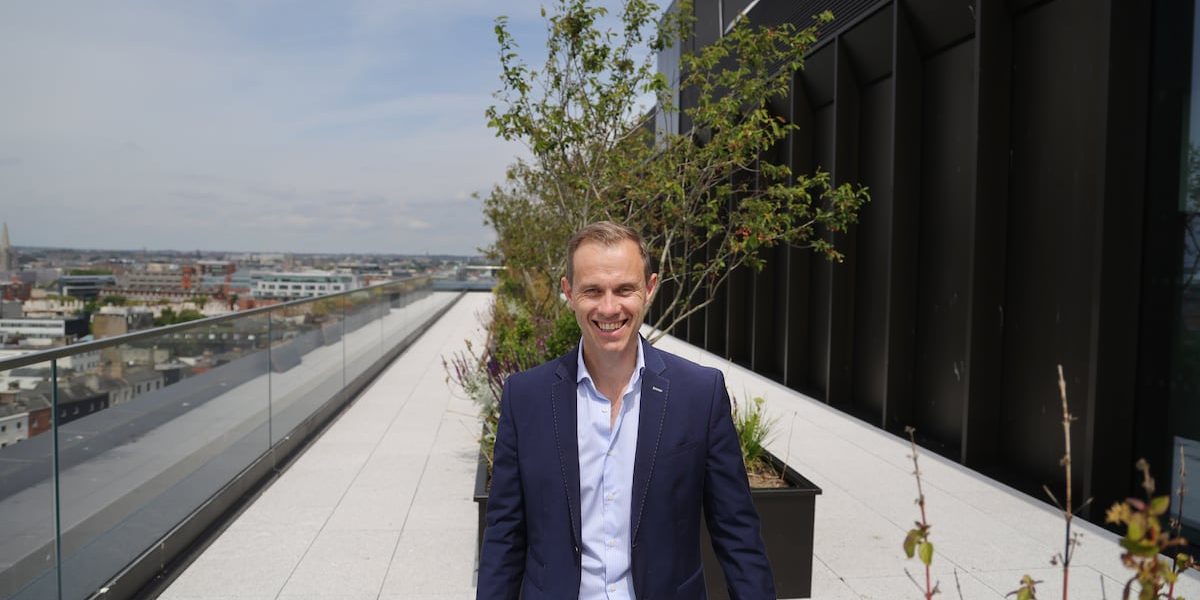
KPMG Ireland’s managing partner, Ryan McCarthy, has sounded a warning about the rapid pace of AI development, cautioning that we’ve only just begun to tap into its potential.
Speaking from the firm’s Dublin office, McCarthy gazed out at the newly constructed children’s hospital, marveling at its sheer scale. But his thoughts quickly turned to the exponential growth of artificial intelligence. “I spend a lot of time thinking about AI,” he revealed. “We are only in the foothills.”
A Reality Check on AI’s Progress
McCarthy’s comments come as AI continues to reshape industries and challenge long-held assumptions about the role of human workers. Recent breakthroughs in areas like natural language processing and computer vision have transformed the way businesses operate, from customer service to product design.
Yet, for all its promise, AI remains in its relative infancy. McCarthy’s “foothills” comment is a sobering reminder that we’ve yet to fully grasp the technology’s implications or harness its potential.
The AI Honeymoon is Ending
As the honeymoon phase of AI adoption wears off, we’re facing a new reality: AI’s benefits and drawbacks are becoming increasingly apparent. On one hand, automation has improved productivity and efficiency, freeing humans from mundane tasks. On the other, it’s created uncertainty about job security and the need for workers to upskill.
“We need to be cautious about the impact of AI on jobs and society,” McCarthy warned. “It’s not just about getting the technology right; we need to think about the people affected by it.”
What this means
McCarthy’s comments should serve as a wake-up call for businesses and policymakers alike. As AI continues to advance, it’s essential that we prioritize responsible deployment and address the social implications of this technology.
We need to be prepared for the benefits and challenges that come with AI’s growth. By acknowledging the complexities and uncertainties surrounding this technology, we can work towards a future where AI enhances human capabilities without leaving anyone behind.