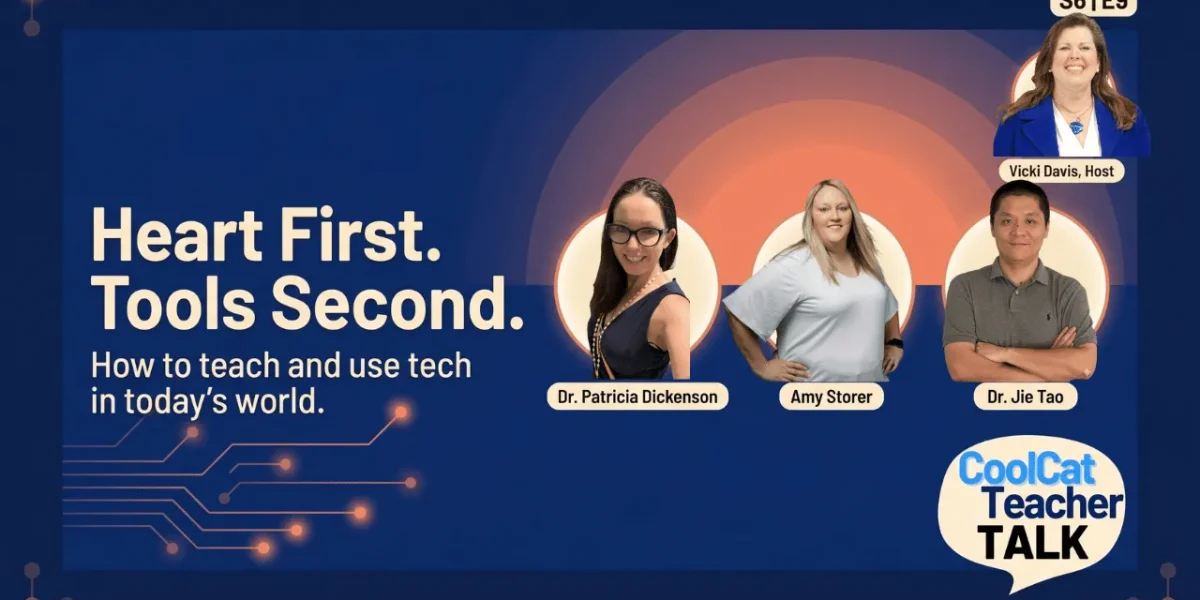
**Three Educators Share Insights on Teaching AI in the Classroom**
Educators are facing a daunting task: how to effectively integrate AI tools into their classrooms without sacrificing the very heart of teaching – human connection and empathy. Vicki Davis, a well-respected ed-tech expert, sat down with three educators to explore this question.
**A Balance Between Tech and Heart**
According to Dr. Nick Provenzano, a renowned AI researcher, the key to teaching AI in the classroom is finding a delicate balance between technology and humanism. “As educators, we need to be aware of the tools we’re using and how they’re impacting our students,” he says. “We can’t just focus on the tech; we need to understand its implications and make sure it’s serving the greater good.”
For Dr. Provenzano, this means teaching students to critically evaluate AI tools and their limitations. By doing so, students can develop essential skills like media literacy, critical thinking, and problem-solving. “We’re not just teaching students how to use AI; we’re teaching them how to navigate a world where AI is increasingly present,” he emphasizes.
**Practical Tool Tips for the Classroom**
While Dr. Provenzano emphasizes the importance of humanism in AI education, other educators are focused on providing practical tool tips for the classroom. Vicki Davis, in her interview with the three educators, highlights the following strategies:
1. **Use AI to augment, not replace, human teaching**: AI tools can enhance the learning experience, but they shouldn’t replace the role of educators. By using AI to automate routine tasks, teachers can focus on more meaningful interactions with students.
2. **Choose AI tools that align with learning objectives**: When selecting AI tools, educators should prioritize those that align with their learning objectives. This ensures that students are using AI to deepen their understanding of the subject matter, rather than simply learning how to use a tool.
3. **Teach students to evaluate AI sources**: In today’s digital age, students are exposed to a vast amount of information from AI-generated sources. Educators should teach students how to evaluate the credibility and reliability of these sources, just as they would with traditional sources.
**What this means**
The takeaways from these educators are clear: when it comes to teaching AI in the classroom, the focus should be on developing students’ critical thinking skills, while also providing them with practical tool tips for effective AI usage. By striking this balance, educators can ensure that their students are well-prepared for a world where AI is increasingly prevalent.