New Bedford, Here We Come (Again)
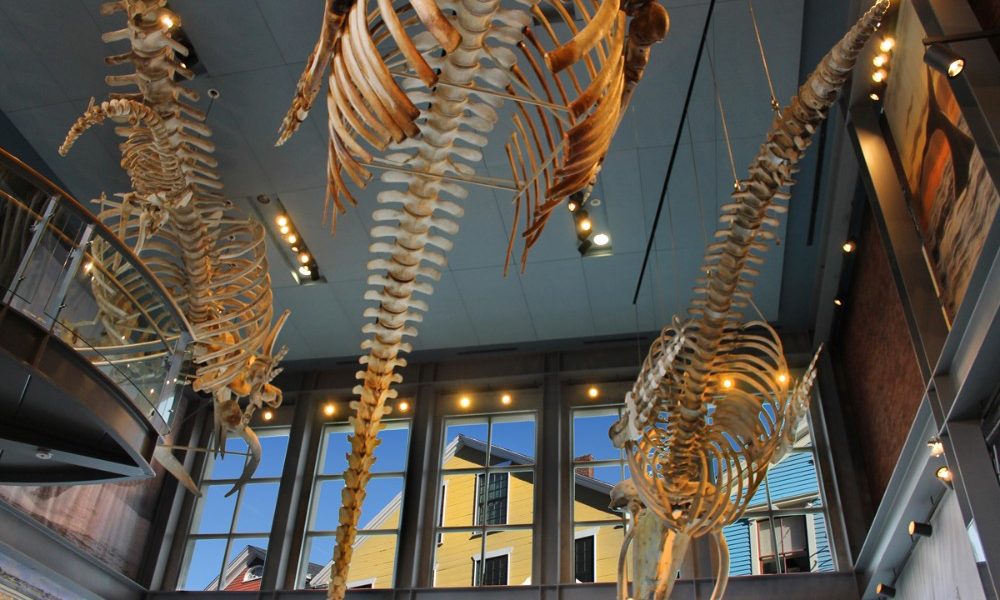
New Bedford, Massachusetts was once the epicenter of global disruption, and you might not even know it. In the 1800s, this whaling hub lit the world with the cleanest burning oil from sperm whales.
But as the demand for whale oil skyrocketed, so did the demand for innovation. That’s when kerosene – a new, cheaper, and cleaner alternative – disrupted the market. Suddenly, whaling’s golden age was over, and a new player emerged.
Repeat Disruption: A Pattern Emerges
This wasn’t a one-time event. Disruption has been a constant in human history. Think about it: the rise of cars killed the horse-and-buggy industry, and the internet decimated the phone book industry.
Each disruption was sparked by a new, innovative technology or service that made older ones obsolete. The pattern is clear: something new comes along, it’s better, cheaper, and more convenient, and the old way of doing things is no longer needed.
The AI Revolution: Search to AI
We’ve seen this pattern play out before. The rise of search engines (think: Google) disrupted the way we find information. Then, social media platforms disrupted the way we connect with others.
Now, AI is on the cusp of disrupting everything – from customer service to healthcare. It’s not just about automation; it’s about creating new ways of interacting, analyzing, and solving problems.
What this means: be prepared for the next wave of disruption, and be adaptable. The companies that thrive in this new landscape will be those that innovate, experiment, and continuously evolve.
As the old economy gives way to the new, one thing remains certain: disruption is here to stay. And it’s not a bad thing – it’s what drives progress and innovation. So, let’s get ready to ride the disruption wave and see what the future holds.