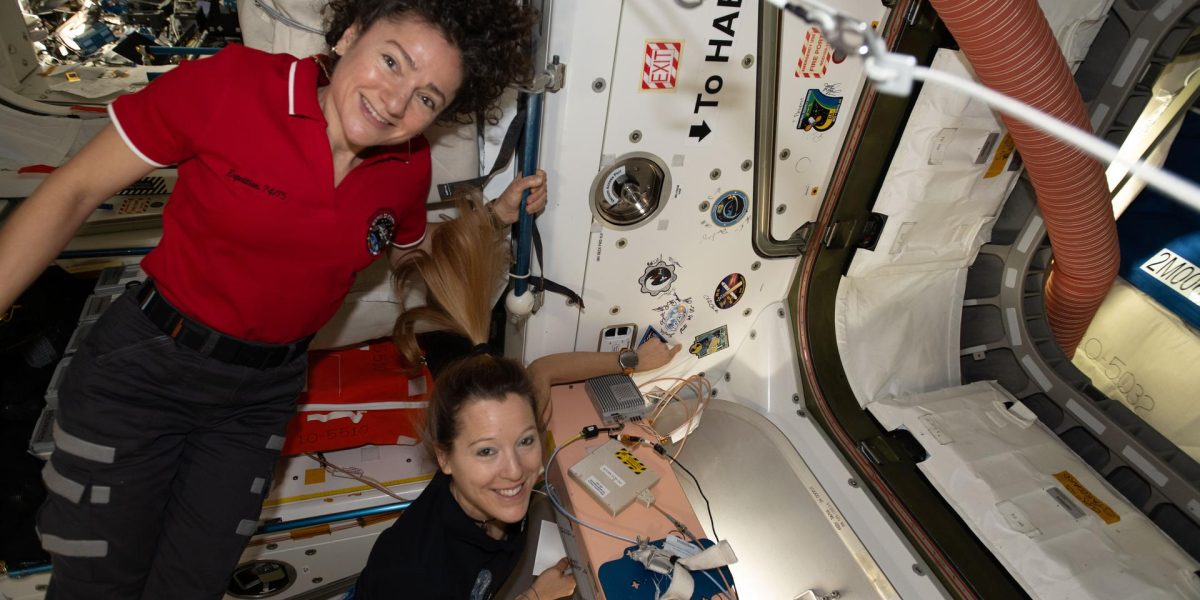
The Expedition 74 crew has embarked on a unique research project aboard the International Space Station (ISS), specifically designed to study the effects of weightlessness on the human body. On Thursday, they explored how microgravity impacts cartilage growth and the digestive system, with the goal of protecting crew health and improving patient care on Earth.
A Space Station Study with Real-World Relevance
The crew’s research is centered on understanding the long-term effects of weightlessness on the human body. As space travel becomes increasingly common, it’s essential to develop treatments that address the unique health challenges posed by microgravity. By studying how cartilage growth and the digestive system are affected in space, the Expedition 74 crew aims to inform the development of health treatments that can benefit both astronauts and patients on Earth.
During the study, the crew observed that weightlessness can disrupt the natural balance of fluids and gases in the digestive system, leading to issues such as acid reflux and digestive problems. They also noted that cartilage growth, essential for maintaining healthy joints, is significantly affected by microgravity.
What this means
The findings of this study have significant implications for the development of health treatments on Earth. By understanding how weightlessness affects the human body, researchers can create targeted treatments that can help alleviate the symptoms of conditions such as osteoarthritis and digestive problems. This research highlights the importance of space-based studies in informing healthcare solutions for humans.
Robotics Maintenance Spacewalk Next on the Agenda
The Expedition 74 crew is also preparing for a critical robotics maintenance spacewalk, which will be performed to ensure the smooth operation of the ISS’s robotic systems. This spacewalk will not only maintain the functionality of the station but also provide valuable experience for the crew, essential for future long-duration space missions.