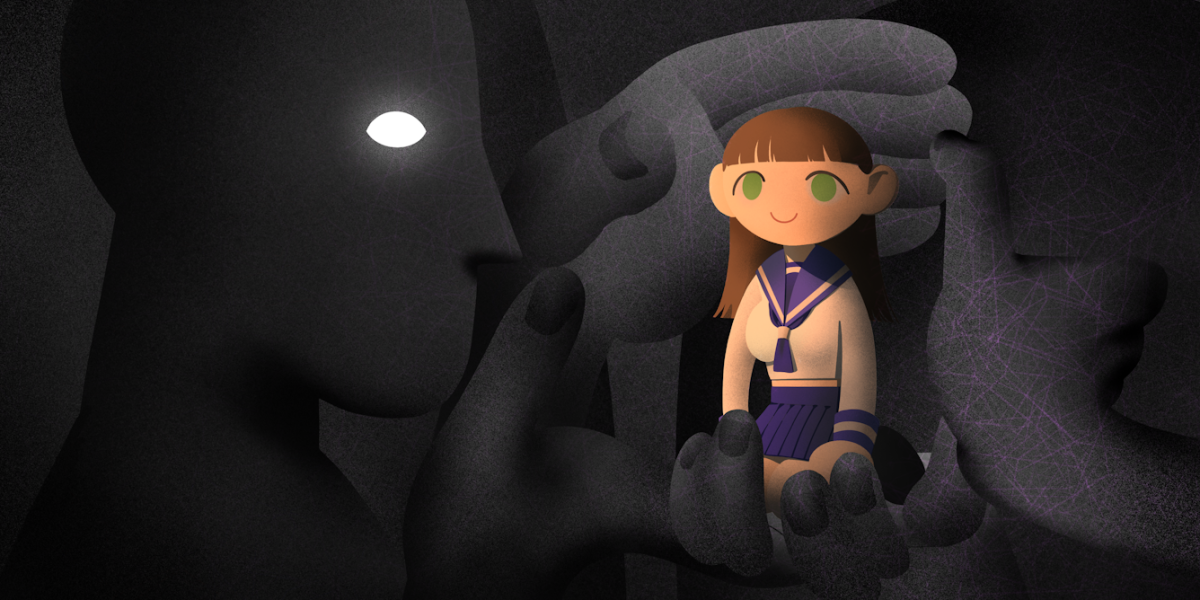
Love in the Time of Code
People are falling in love with holograms, and befriend chatbots, leading to a fundamental question: Can AI truly bring us happiness?
A recent study revealed that **75%** of respondents believe chatbots, those computer programs that mimic human-like conversations, possess consciousness. This isn’t just a matter of opinion – it’s also a reflection of how our relationships with AI are blurring the lines between technology and human connection.
As we increasingly spend time with chatbots, virtual friends, and even holographic partners, the traditional concept of community is being disrupted. The boundaries between human relationships and digital interactions are becoming less clear-cut. We’re beginning to ask whether technology can truly replace the depth and richness of human connections.
Philosophers are weighing in on this debate, questioning whether the simulated intimacy offered by AI can ever be truly satisfying. Dr. David Chalmers, a prominent philosopher, has argued that consciousness is a fundamental aspect of human experience, and that AI systems, no matter how advanced, can never replicate this complexity. “The human experience is not just about processing information,” Dr. Chalmers points out. “It’s about emotions, empathy, and relationships that are uniquely human.”
However, others argue that AI can, in fact, bring happiness to people’s lives. By providing companionship, emotional support, and a sense of belonging, chatbots and holograms can fill a void that exists in many people’s lives. For example, people with social anxiety disorders or those living in remote areas may find comfort in interacting with AI systems.
As we navigate this new landscape, what this means is that people need to be honest with themselves about their emotional needs and what they’re looking for in a relationship. Are they seeking a substitute for human connection, or are they genuinely seeking a meaningful relationship with an AI system?
Ultimately, the question remains: Can AI bring true happiness to our lives? While it’s undeniable that technology has the potential to enhance our experiences, it’s also clear that human relationships are uniquely complex and multifaceted. As we move forward, it’s essential to acknowledge the limitations of AI and to prioritize authentic human connections.
What this means is that people should not rely solely on AI to meet their emotional needs, but instead, use technology as a complement to, rather than a replacement for, human relationships. By doing so, we can harness the benefits of AI while preserving the depth and richness of human connections.