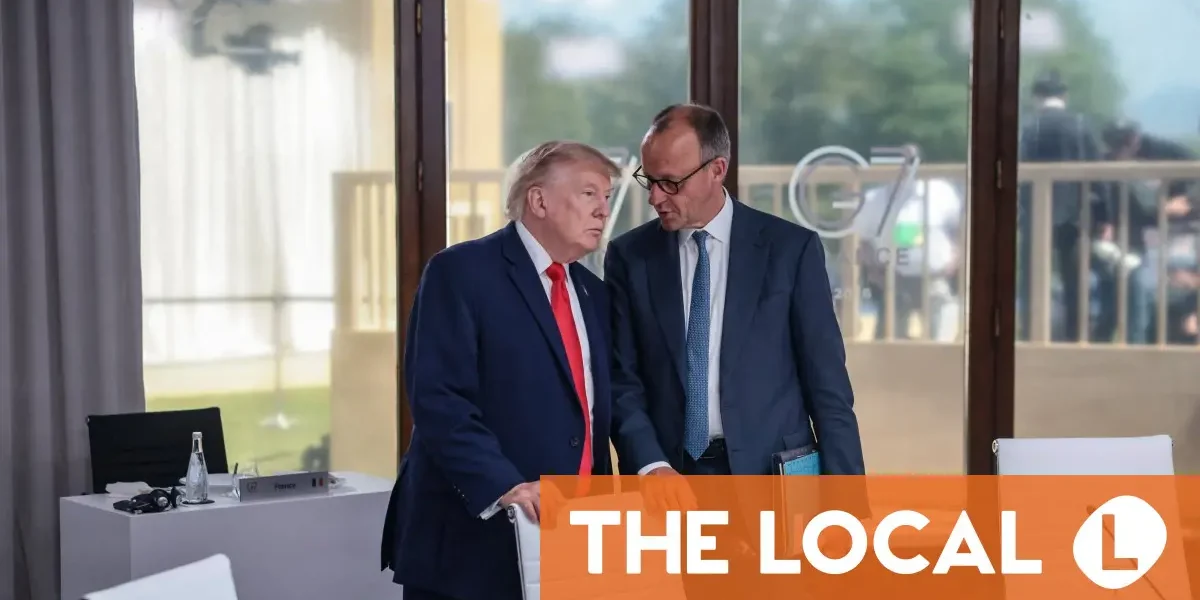
G7 leaders have just wrapped up a marathon three-day summit, capping it with tough new sanctions on Russia and significant progress in talks to resolve ongoing conflicts in Ukraine and the Middle East. Chancellor Friedrich Merz of Germany hailed the gathering as “a major success,” citing the group’s unity and determination to hold Russia accountable.
The G7 leaders, which comprise the United States, Canada, France, Germany, Italy, Japan, and the United Kingdom, have been working to bolster their stance against Moscow’s aggressive actions. The summit culminated in a joint statement, calling for “concrete measures” to limit Russia’s access to the global economy.
New Sanctions, Fresh Resolve
The summit’s key outcome is the imposition of stricter economic penalties on Russia. The sanctions, aimed at crippling Moscow’s ability to wage war, include a ban on Russian oil imports and restrictions on key tech exports. These moves, say experts, are designed to further isolate Russia and bolster Ukraine’s defenses against ongoing attacks. Chancellor Merz emphasized the G7’s commitment to providing “unwavering support” to Ukraine, including military aid and humanitarian assistance.
Peace Talks in the Middle East
Another critical development was the group’s progress in Middle East peace talks. The G7 leaders reiterated their support for a two-state solution, recognizing Israel’s right to exist alongside a sovereign Palestinian state. Chancellor Merz praised the summit’s focus on “inclusive diplomacy” that prioritizes dialogue and cooperation between warring parties. This newfound emphasis on peace talks is seen as a crucial step towards de-escalating the region’s decades-long conflict.
What This Means
The G7 summit’s agreements send a clear signal to Russia that the international community will not tolerate aggression and disregard for global norms. For Ukraine, the fresh aid and military support are a much-needed boost in the face of ongoing attacks. As for the Middle East, the renewed focus on peace talks offers a glimmer of hope for a long-awaited resolution to the region’s chronic conflict.