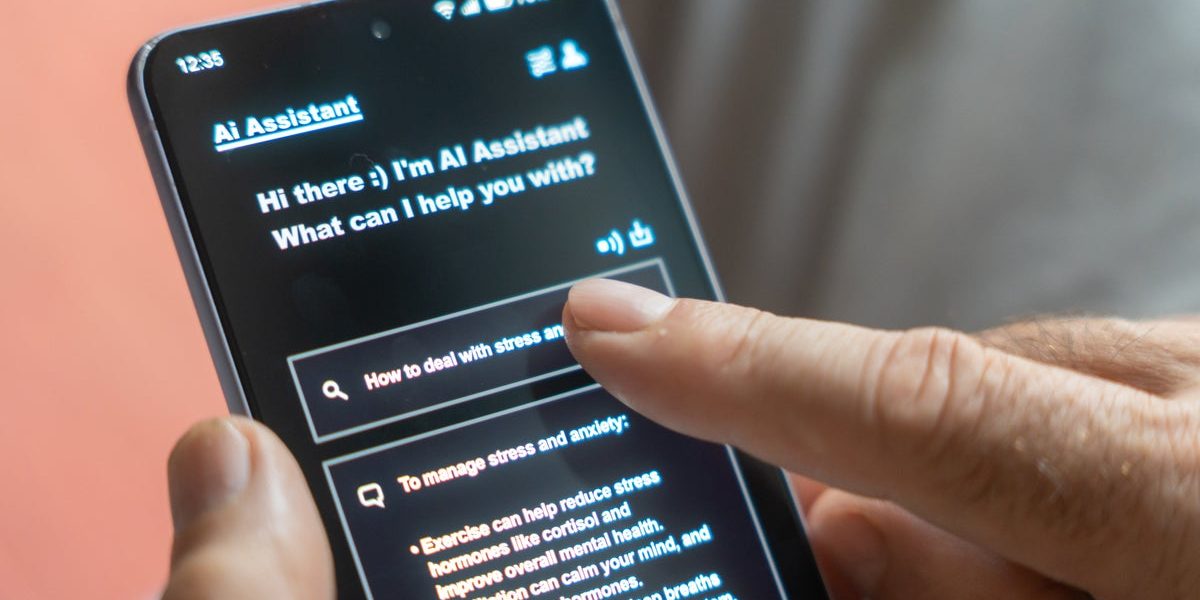
1 in 3 Psychologists Report Patients Rely on AI for Mental Health Support
A staggering 1 in 3 psychologists have seen patients turn to AI as a second therapist, according to a recent survey by the American Psychological Association (APA). What’s even more striking is the widespread adoption of AI as a go-to resource for mental health advice, with 77 percent of U.S. psychologists reporting this trend.
Experts say the rise of AI in mental health care is a double-edged sword. On one hand, it’s providing people with immediate access to advice and support. On the other hand, the design of these AI systems is fundamentally at odds with the principles of effective therapy.
Design Flaws in AI-powered Therapy
The APA survey highlights a disturbing trend: many AI systems for mental health are built around simplistic, one-size-fits-all approaches to therapy. They often rely on superficial interactions, lacking the nuance and empathy that a human therapist provides. This can lead to a lack of meaningful connection and trust between the AI system and the user.
Dr. Lisa Najavits, a professor of psychiatry at Boston University School of Medicine, has spent years studying the effectiveness of AI-powered therapy. “These systems are not designed to replicate the complexity of human relationships,” she says. “They’re simply not equipped to provide the nuanced and context-dependent support that humans need to heal and grow.”
What This Means for Mental Health Care
The implications of this trend are far-reaching. As more people turn to AI for mental health support, there’s a risk that they’ll become increasingly reliant on these systems – and less likely to seek out the help of trained professionals. This could exacerbate existing mental health disparities, particularly for communities that already struggle to access quality care.
What can be done to mitigate this risk? Experts recommend approaching AI-powered therapy as a supplement to human support, rather than a replacement. This means working to integrate AI systems with traditional therapy models, ensuring that users have access to a human therapist when they need it most.
The conversation around AI in mental health care is just beginning. As the technology continues to evolve, it’s essential that we prioritize human-centered design and the expertise of trained professionals. Only then can we harness the potential of AI to create a more compassionate and effective mental health care system.