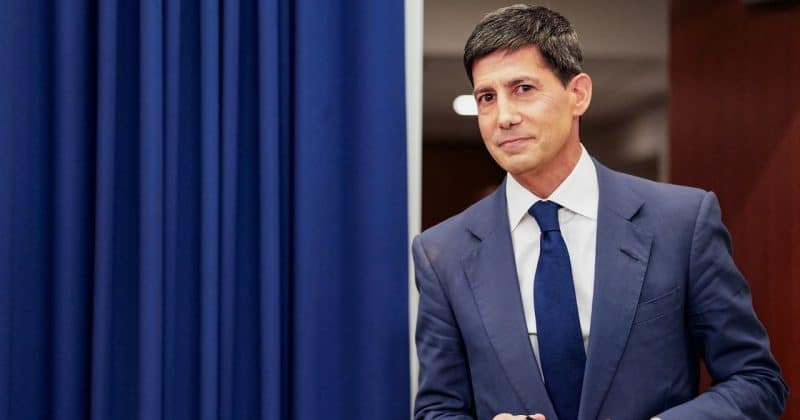
A new, no-nonsense Federal Reserve Chair is shaking things up: Kevin Warsh is taking on his role with a bold agenda, aiming to overhaul the central bank’s operations.
Task Forces in Focus
Since his confirmation on May 22, Warsh has been making waves with his unconventional approach. The former Fed governor is launching five special task forces, each tackling a specific area of reform. These groups will focus on topics like bank capital requirements, consumer protection, and community development.
Warsh is framing these efforts as a “regime change” – a drastic overhaul of the Fed’s structure and policies. He’s not shying away from controversy, and his stance on digital assets is already causing a stir. The new chair is reportedly looking to reshape regulations surrounding cryptocurrencies, which could lead to a significant shift in investment strategies.
Market Volatility Ahead
Warsh’s push for operational changes at the Fed could lead to increased market volatility, as investors and traders adjust to the new landscape. The chair’s views on digital assets, in particular, may spark a period of uncertainty. If the Fed relaxes its stance on crypto regulations, it could lead to a surge in investment and adoption – but if the opposite happens, the market could see a sharp decline.
Warsh’s commitment to reform is already sending ripples through the financial sector. As the Fed continues to evolve under his leadership, investors will need to stay vigilant and adapt to the changing regulatory environment. The next few months will be crucial in determining the impact of Warsh’s reforms on the market.
A New Era for the Fed</hassistant
What This Means
Investors and traders should be prepared for increased market volatility as the Federal Reserve navigates a period of significant change under Warsh’s leadership. A more relaxed stance on digital asset regulations could lead to a surge in investment, but a tightening of rules may lead to a decline. Staying informed about the Fed’s evolving policies and adapting investment strategies accordingly will be key to navigating this new era.
As the Fed continues to evolve, we’ll be keeping a close eye on Warsh’s efforts to reshape the central bank’s operations. Will his reforms lead to a more stable or volatile market? One thing is clear: the next few months will be crucial in determining the impact of Warsh’s changes on the financial sector.