Agrivoltaics: Turning Fields into Powerhouses for AI and Food
Agrivoltaics, a farming technique that combines solar power with crop production, could single-handedly power Canada’s entire grid, reducing the nation’s reliance on fossil fuels to near zero. This ambitious vision, outlined in a new study, would require less than 1% of the country’s agricultural land to be repurposed for solar panels.
Agrivoltaics is not a new concept, but recent advancements in AI-assisted crop monitoring and optimization are elevating its potential.
Powering the AI Infrastructure
As AI use surges globally, the demand for computing power has skyrocketed. More than 50% of new internet traffic is comprised of AI-related data, placing a significant strain on data centers. Agrivoltaics could help alleviate this burden by generating renewable energy to power these facilities. By harnessing the energy-generating potential of farmland, agrivoltaics can reduce the carbon footprint of AI infrastructure and promote sustainable development.
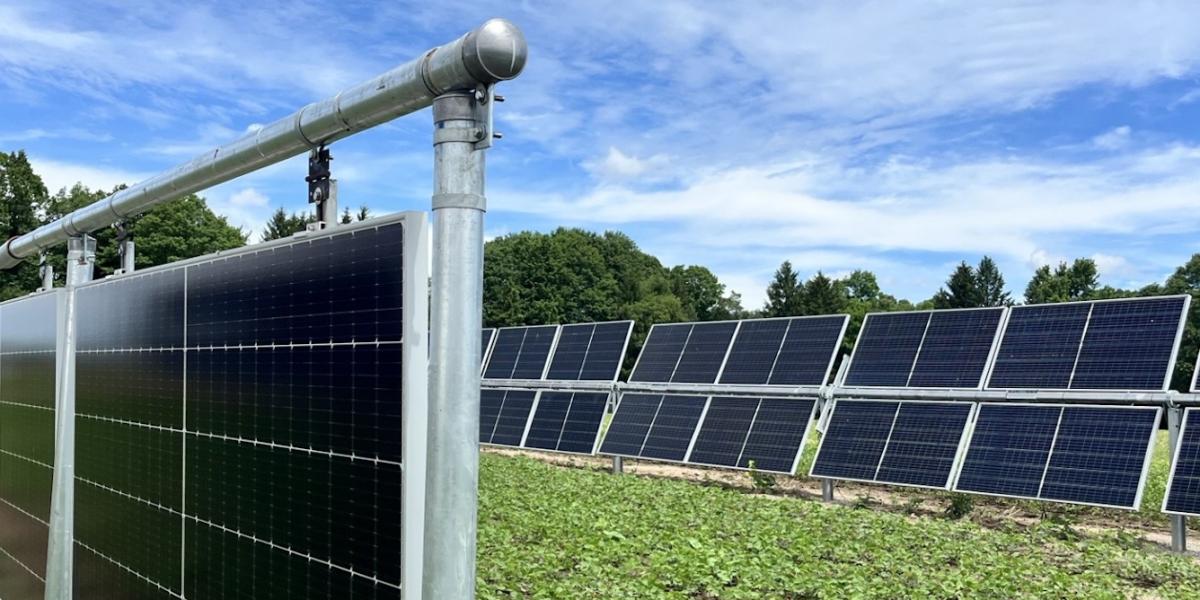
Researchers at Western University in Ontario, Canada, are already putting this concept into practice. Their pioneering “soy-in-between” system sees solar panels installed between rows of soybeans, demonstrating the feasibility of agrivoltaics at the local level.
Boosting Food Production
Agrivoltaics not only offers a sustainable source of energy; it can also increase crop yields and promote biodiversity. By optimizing growing conditions and leveraging AI-driven insights, farmers can adapt their cultivation techniques to maximize output while minimizing waste. In the process, agrivoltaics can help ensure food security, particularly in areas with limited arable land.
What this means:
In practical terms, agrivoltaics represents a promising solution for two pressing challenges: reducing carbon emissions from AI infrastructure and ensuring sustainable food production. As the world grapples with the complexities of climate change, this innovative approach offers a glimmer of hope for a more environmentally conscious, technology-driven future.