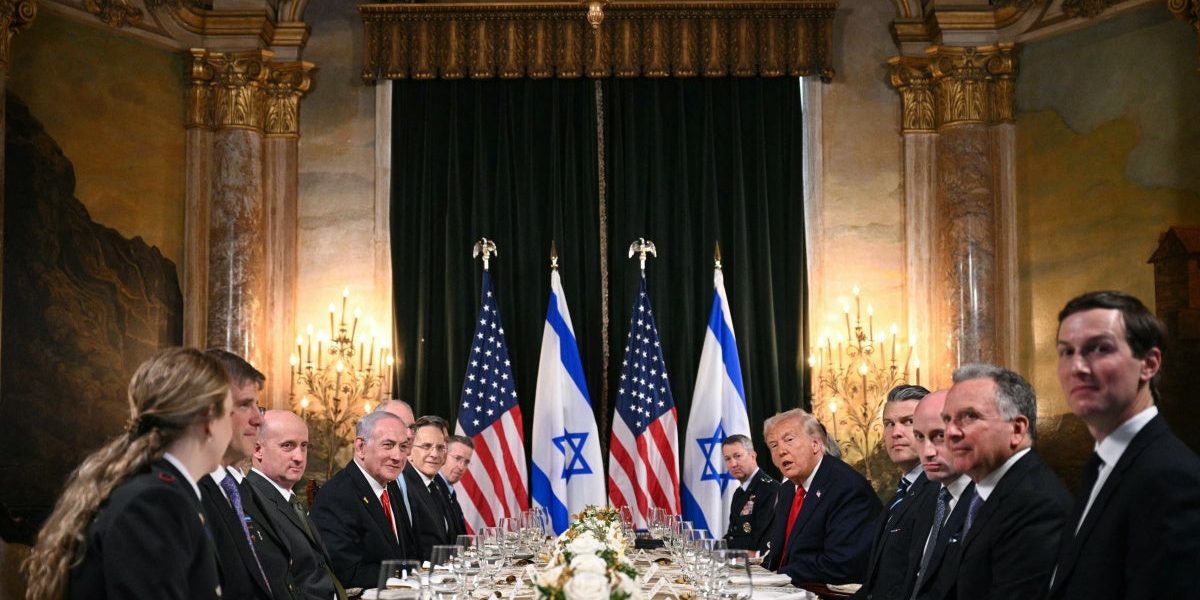
A US congressional proposal hidden within the massive National Defense Authorization Act could significantly expand US military cooperation with Israel, while limiting the ability of lawmakers to scrutinize or alter this cooperation in the future.
The provision, tucked away in the US$1.15 trillion defense bill, would effectively create a “secretive” framework for joint US-Israeli military operations, making it harder for Congress to keep tabs on sensitive information exchanged between the two nations.
Ties Between the US and Israel Strengthen
The relationship between the United States and Israel has long been a subject of debate among policymakers and lawmakers. Under the Trump administration, ties between the two nations have grown increasingly close, with the US providing Israel with significant military aid and diplomatic support.
The National Defense Authorization Act, passed by Congress in 2025, represents a further consolidation of this relationship. By expanding military cooperation with Israel, the US would be providing its ally with access to advanced technologies, intelligence sharing, and joint military operations – essentially, a stronger and more integrated defense partnership.
Concerns Over Secrecy and Accountability
However, opponents of the provision argue that it would undermine Congressional oversight, enabling the executive branch to bypass lawmakers and enter into secret agreements with Israel without proper scrutiny. This has raised concerns among critics that the US could become complicit in future Israeli military actions, without being able to hold the Israeli government accountable.
What this means is that Congress would have less visibility and less control over the military operations and actions conducted jointly by the US and Israel – essentially limiting their ability to ensure the US is acting in accordance with its own interests and values.
Implications for the Middle East
The implications of this strengthened US-Israeli relationship are far-reaching and complex. By expanding military cooperation, the US would be signaling its continued support for Israel’s stance on the Palestinian issue, potentially fueling tensions in the already volatile region.
The outcome remains uncertain, as the proposal is still awaiting final approval. Nevertheless, the hidden provision has sparked intense debate among lawmakers and analysts, underscoring the importance of transparency and accountability in the US’s military engagements abroad.