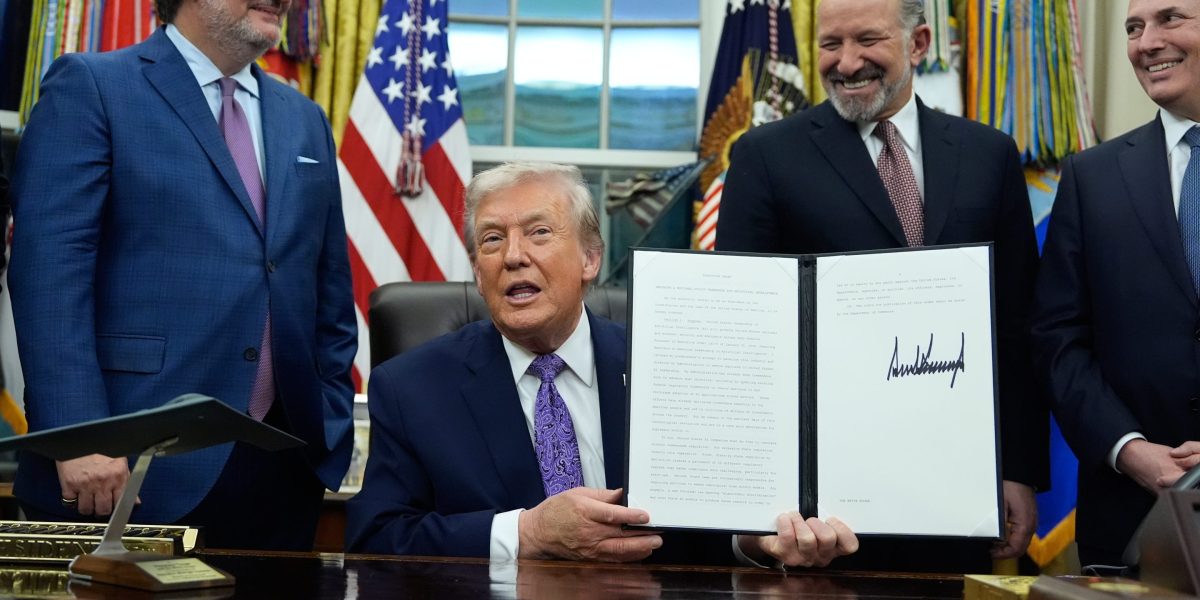
Just a few months ago, President Donald Trump cautioned states against regulating artificial intelligence, but it appears his warning fell on deaf ears. Instead of heeding his warning, lawmakers in both the Republican and Democratic parties are moving forward with AI legislation.
A Growing Trend Across the Country
A mix of states have already passed laws regulating AI this year, with Colorado, Connecticut, Idaho, Iowa, Nebraska, and Oregon leading the charge. This recent trend highlights a growing concern among state lawmakers that the federal government has been slow to address the issue.
A Lack of Federal Action
Congress has stalled on producing federal regulation of artificial intelligence, leaving state lawmakers to fill the gap. The silence from Washington, D.C. has given state lawmakers the space to create their own AI laws, with varying degrees of success. Some of these laws are designed to protect consumers, while others aim to encourage innovation.
What This Means for Real People
For the average person, the implications of these state regulations are complex and multifaceted. On one hand, these laws may provide greater transparency and accountability from AI-driven companies. On the other hand, over-regulation could stifle innovation and hinder the development of new technologies. Ultimately, the direction these laws take will have a significant impact on the future of AI in the United States.
The fact that lawmakers are willing to move forward with AI legislation despite the federal government’s inaction suggests that this is a pressing concern for many Americans. As the development of AI continues to accelerate, it’s likely that more states will follow suit and create their own regulations. Only time will tell how these laws will play out, but one thing is certain: the future of AI in the United States is going to be shaped by the actions of state lawmakers.