BMW’s upcoming electric M3, set to debut next year, has finally gotten its most coveted feature – shift paddles.
The Full-Flow Experience
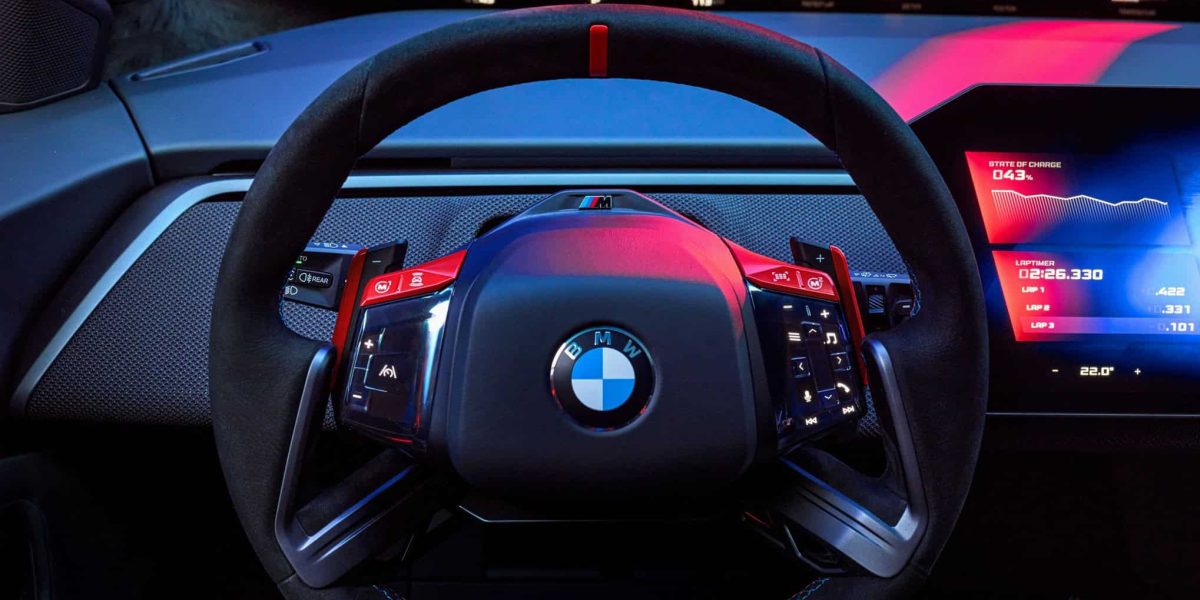
It’s safe to say that BMW’s M Concept Neue Klasse is an electric M3 in all but name. This weekend, company higher-ups revealed that the production-ready car will closely echo the concept, which made its debut earlier this year. One of the standout features of the M Concept Neue Klasse, aside from its sleek design, was its inclusion of red-accented shift paddles behind the steering wheel – a nod to the brand’s iconic manual transmission heritage.
While many initially thought the shift paddles were simply a design flourish, the real story is that they serve a purpose. In an interview, Frank van Meel, CEO of BMW M revealed that the paddles offer a tactile experience for drivers, allowing them to better connect with the car’s electric powertrain. By incorporating shift paddles, BMW is attempting to bridge the gap between traditional manual transmission enthusiasts and those who have adopted electric vehicles.
The Logic Behind It
The shift paddles are linked to the car’s electric motor and gearbox, allowing drivers to manually adjust the power delivery and optimize acceleration. Essentially, the paddles become an extension of the car’s electronic control system, giving drivers more control and feedback in real-time. This integration is crucial in creating a seamless driving experience, especially during spirited driving sessions.
BMW’s decision to incorporate shift paddles into their electric M3 highlights their commitment to creating a driving experience that’s as engaging as its gasoline-powered counterparts. By not sacrificing driver involvement, BMW is effectively addressing a common concern among enthusiasts: the perceived lack of connection to the vehicle’s powertrain in electric cars.
What This Means
This move is a significant step forward for the electric vehicle (EV) market, as it demonstrates that manufacturers can create engaging driving experiences without sacrificing performance or driving dynamics. For enthusiasts, it’s a welcome nod to the traditional driving experience, while also giving them the benefits of an electric powertrain. As more manufacturers focus on creating compelling EVs, it’s likely that we’ll see a continuation of this trend – blending the best of both worlds to create cars that thrill both drivers and passengers alike.