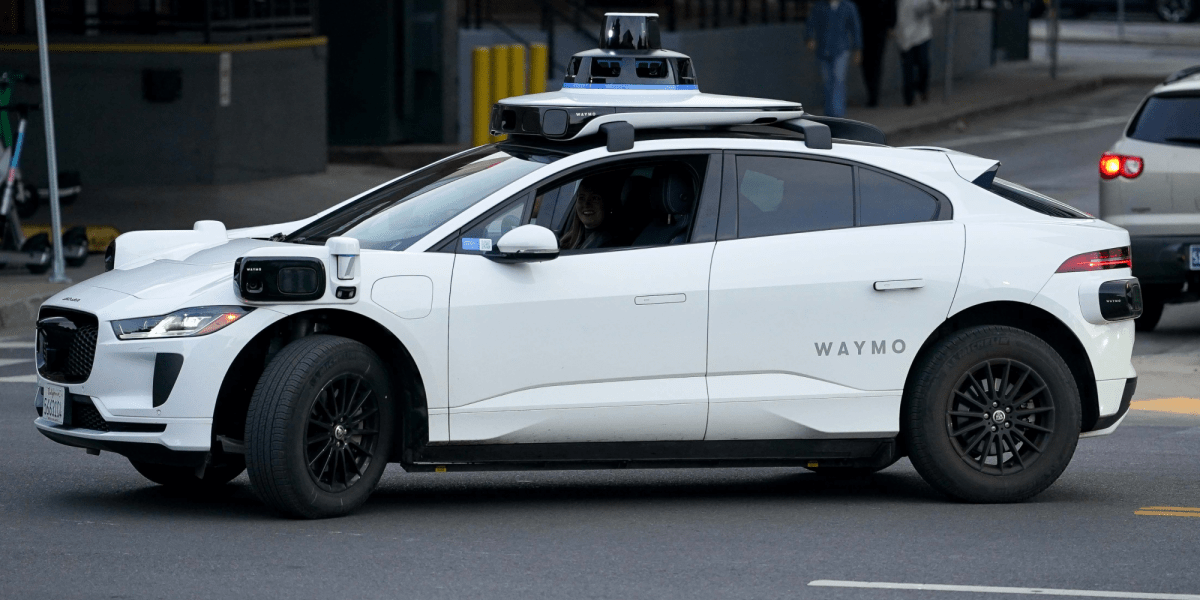
Scientists at a top US university have developed artificial sensors inspired by the human eye, with the goal of creating more advanced self-driving cars that can handle changes in lighting conditions.
Sensing a Problem
While self-driving cars have made rapid progress in recent years, one area that still poses a significant challenge is adapting to varying light conditions.
Human eyes can effortlessly switch between bright sunlight and low-light conditions, but current AI-powered sensors struggle with this transition, resulting in reduced performance or even accidents.
The Human Factor
The team, led by Dr. Jennifer T. Vaughan, has been studying the human eye to develop sensors that mimic its abilities.
One of the key discoveries was the way the human eye adjusts to changes in light by altering the size of its pupil, allowing more or less light to enter.
The new sensors use a similar mechanism, with tiny “pupils” that can expand and contract to adjust to changing light conditions, effectively improving the sensor’s dynamic range and reducing glare.
The team has also developed a new algorithm that helps the sensor distinguish between reflections and actual objects, reducing errors and improving overall accuracy.
What This Means
The potential impact of these human-eye inspired sensors is significant, as they could enable self-driving cars to operate with greater confidence and safety in a wider range of lighting conditions.
This could lead to widespread adoption of autonomous vehicles in areas like public transportation, ride-sharing, and logistics.
While the technology is still in its early stages, it has the potential to revolutionize the field of autonomous transportation and make the roads safer for everyone.