**AMD’s Alarming AI Infrastructure Alert**
**A warning signal from the world’s leading chipmaker: AI’s breakneck growth is outpacing the physical world’s ability to keep up.** Advanced Micro Devices (AMD) has sounded the alarm on the AI industry’s increasingly unsustainable infrastructure demands, highlighting a growing disconnect between digital ambitions and real-world supply chain limitations.
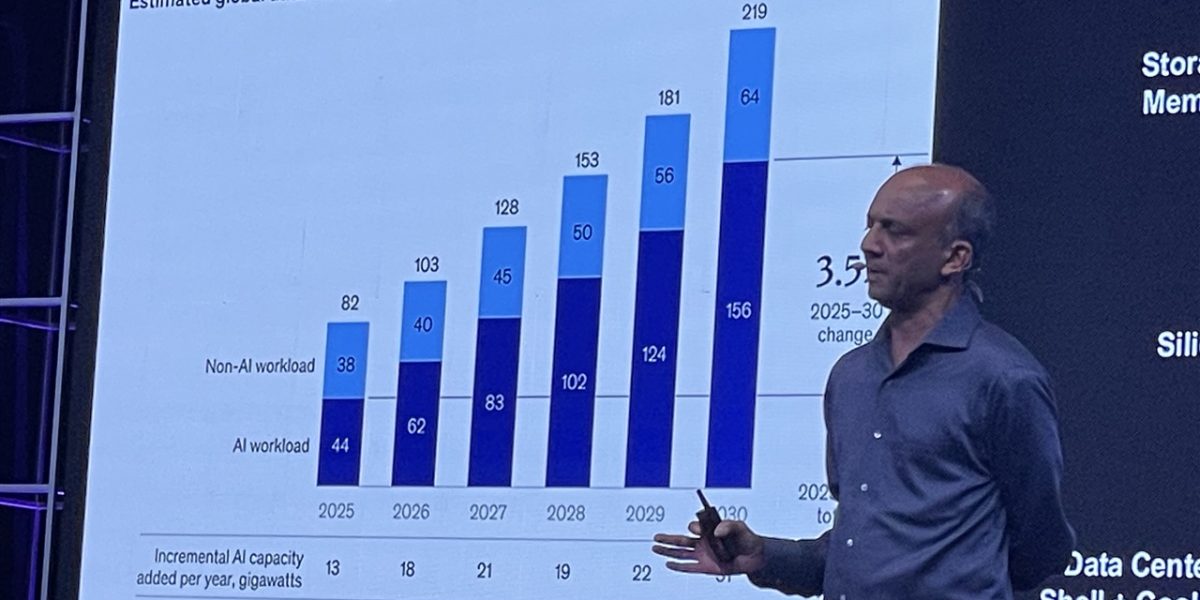
The AI industry’s exponential growth has brought about a surge in demand for computing power, storage, and other critical infrastructure components. This, however, is running headlong into physical constraints such as turbine backlogs, copper shortages, and manufacturing bottlenecks.
**Powering the AI juggernaut: Turbines and electricity shortages**
One of the most pressing issues is the scarcity of specialized turbines capable of generating the high-voltage electricity required to power the massive data centers housing AI systems. These turbines, often custom-built, have become a bottleneck in the supply chain, leading to power generation shortages and subsequent data center outages.
**Chip manufacturing: Copper limits and manufacturing constraints**
In addition to power generation, chip manufacturing is facing its own set of infrastructure challenges. The increasing demand for specialized AI chips has put a strain on copper supplies, a critical component in chip production. Copper limitations are now exacerbating manufacturing delays, further restricting the availability of these essential chips.
**What this means**: The infrastructure walls closing in on the AI industry signal a critical juncture for tech leaders. To mitigate these bottlenecks, industry players will need to prioritize resource-efficient AI development, explore alternative supply chain strategies, and collaborate on infrastructure optimization initiatives. Failure to address these challenges could slow the pace of AI innovation or even hinder its growth.
As AMD’s warning highlights the growing infrastructure gap, the industry must now confront the harsh realities of its own unsustainable growth model. The question is: will tech leaders rise to the challenge and innovate their way out of these infrastructure walls, or will the AI revolution be slowed by the physical world’s limitations?