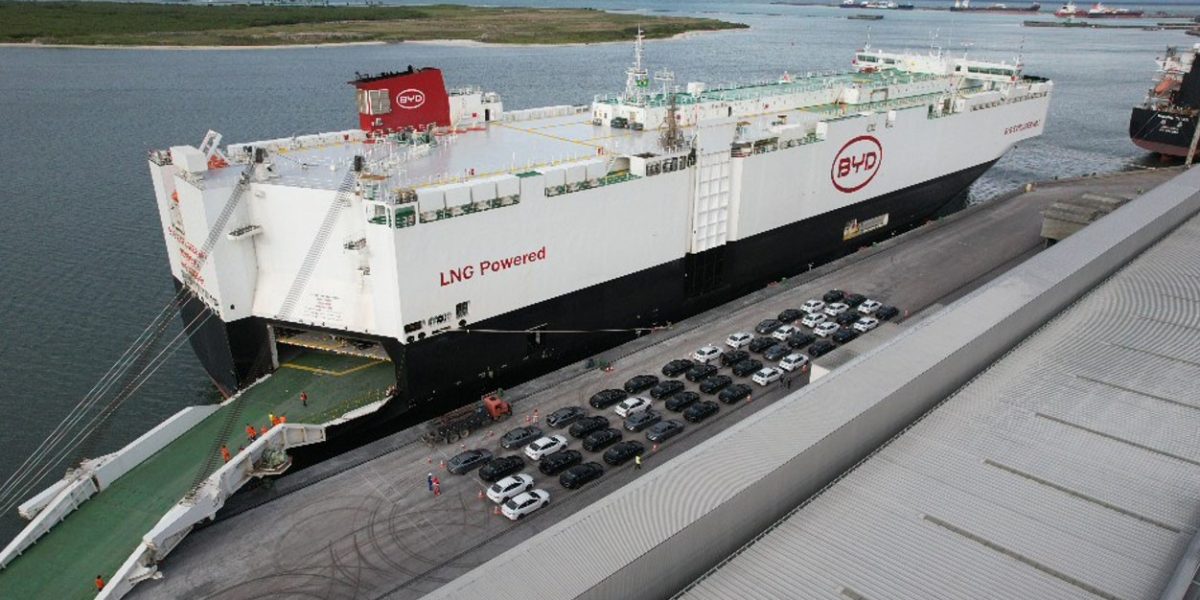
Automakers are about to get a break in taxes if they meet a new set of local production targets, and it’s not a handout. Instead, companies will need to up their production in local markets to qualify for lower tax rates.
Tax Breaks for Local Heroes
The move comes as automakers face stiff competition from imported vehicles, which have been undercutting local prices. Despite fiscal constraints, the industry is seeking ways to stay competitive, and tax incentives are one potential solution. Talks between automakers and the government are ongoing, but a proposal is beginning to take shape.
The key idea is to create a sliding scale of tax rates based on local content levels. Vehicles with higher local content – meaning more parts sourced from within the country – would qualify for lower tax rates. In contrast, those with lower local content would face higher taxes. This approach would incentivize companies to boost local production and reduce reliance on imports.
The Numbers Game
While the proposal is still in its early stages, the numbers are starting to add up. For example, if a vehicle contains 70% local content, the tax rate might be lowered to 10%. However, if the local content drops to 40%, the tax rate would jump to 20%. The exact thresholds and tax rates are still being negotiated, but the goal is to create a clear and fair system that rewards companies for investing in local production.
What this means
For consumers, this could mean lower prices for vehicles with higher local content. Automakers would also benefit from reduced taxes, allowing them to invest more in local production and R&D. The government, meanwhile, would get a boost in revenue from higher tax rates on imported vehicles. As talks continue, the industry is hoping to find a balance between competing interests and create a more sustainable business environment.