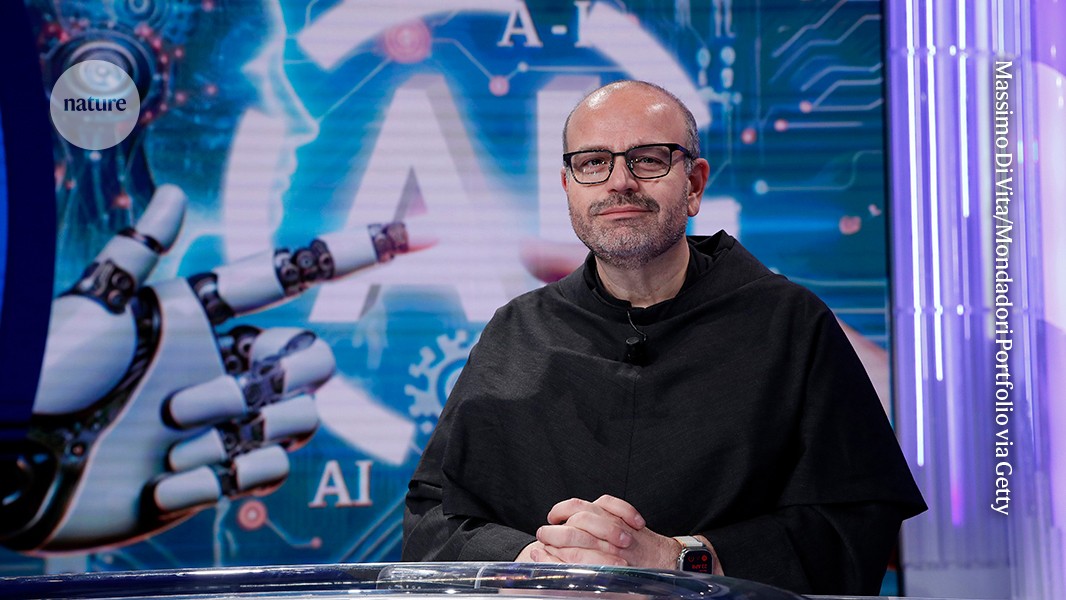
Pope’s AI Warning Ignored at Our Peril
The Vatican’s recent encyclical letter, penned by Pope Leo XIV, has been dismissed by many as a theological treatise. But theologian Paolo Benanti sees it as something more: a dire warning about the consequences of unregulated AI development.
AI Governance in Crisis
The 15 May letter diagnoses a fundamental failure in AI governance. The Pope argues that the scientific community has prioritized technological progress over human values, leading to a system where AI is developed without consideration for its societal impact. This, he claims, will ultimately result in AI that serves the interests of the powerful, rather than the many.
This isn’t just a matter of faith; it’s a hard-nosed analysis of the consequences of our current approach to AI development.
A Warning the World Should Heed
Benanti points out that the papal encyclical is not just a call for the faithful, but a signal for society as a whole. “The Church has a unique opportunity to influence public opinion and policy,” he says. “When the Pope speaks about AI, he’s not just speaking to Catholics – he’s speaking to the world.”
The Vatican’s call for a more nuanced approach to AI development is a rare moment of consensus in the often-contentious world of AI ethics. The question now is whether the scientific community will take the Pope’s warning seriously, or dismiss it as the product of a ‘theological’ institution.
A Pragmatic Takeaway
What this means is that we need to take a step back and re-evaluate our approach to AI development. This isn’t just about creating more sophisticated machines; it’s about ensuring that those machines serve the greater good. By engaging with the Pope’s message, we can begin to build a more sustainable and equitable AI future for all.