New Zealand models are losing work to AI-generated faces, exacerbating an already precarious career path.
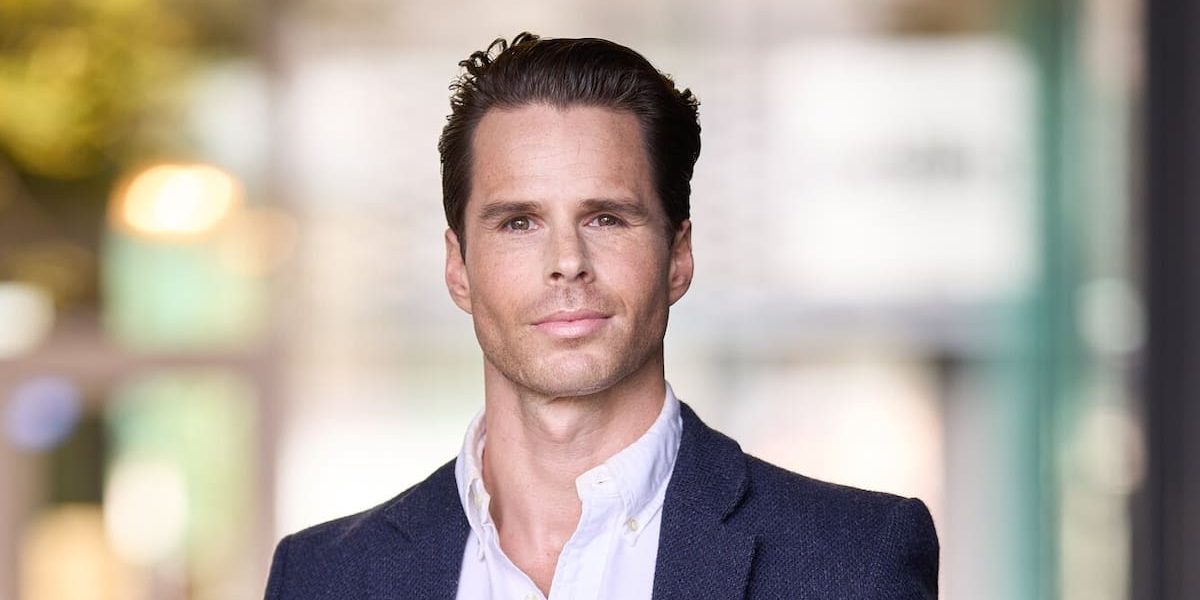
The ad industry’s increasing reliance on synthetic models is threatening the livelihoods of real-life New Zealanders, including Andrew Seabrook-Suckling, a 20-year veteran male model. Seabrook-Suckling’s concern is that AI-generated faces are cutting into the limited paid work available to Kiwi models.
The impact of AI-generated models is a reality for many working models, but the stakes are particularly high in New Zealand, where the modeling industry is small and often fragmented. Models there rely heavily on a limited number of high-profile campaigns to make a living.
Why the concern?
The use of AI-generated models in advertising has picked up steam in recent years, with Adobe among the major players in this space. These digital models can be fine-tuned to mimic the look and personality of human models, but at a fraction of the cost. This puts them at a significant advantage when it comes to attracting advertisers and landing major campaigns.
What this means
For models like Seabrook-Suckling, the rise of AI-generated faces means more competition for a limited number of jobs. This can lead to a decline in pay rates and an even more precarious career path. New Zealand’s modeling industry is struggling to adapt to the changing landscape, and models are feeling the pinch.
The future of modeling in the age of AI is uncertain, but one thing is clear: the industry will need to evolve to stay relevant. Will this mean more emphasis on niche or specialist modeling work, or a shift towards other forms of creative expression? Only time will tell, but for models like Seabrook-Suckling, the clock is ticking.