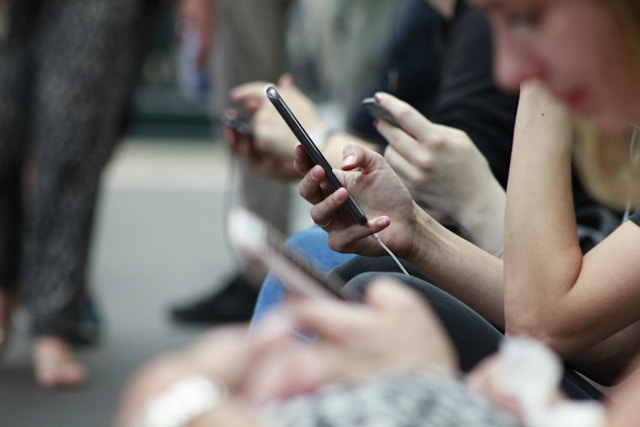
Canada is considering a significant ban on social media for children under 16 as part of its efforts to regulate chatbots and protect younger users. The proposal, which is still in its early stages, would make Canada the latest country to take a hard line on the use of social media by minors.
Canada’s Proposed Social Media Ban: What’s Behind the Move?
The move is part of a broader push by the Canadian government to regulate the use of chatbots and other AI-powered tools, amid growing concerns about their impact on mental health and wellbeing.
According to Minister of Digital Government, Francine Dubeau, the ban is intended to “protect young Canadians from the potential harms of social media” and ensure that children are not exposed to online content that could be detrimental to their development.
The Role of AI in Canada’s Social Media Plan
Canada’s proposal goes further than other countries that have introduced social media bans for minors, such as China and South Korea, which have restricted access to social media platforms altogether.
However, under Canada’s plan, social media platforms would still be able to serve users under 16, but with some restrictions. This could include age verification, content filtering, and educational resources to help children use social media responsibly.
What This Means for Parents and Kids
What does this mean for parents and kids? In practical terms, it means that children under 16 would face stricter online regulations and their parents would be required to take a more active role in monitoring their online activity.
This could lead to a more restricted online experience for younger users, with less access to social media and a greater emphasis on online safety and digital literacy.
The proposal is still in its early stages, and it’s unclear how long it will take to come into effect. However, if implemented, it could have significant implications for the way that social media companies operate in Canada and how parents approach online safety with their children.