**Mechanobiology Hits Mainstream: Understanding How Cells Respond to Physical Forces**
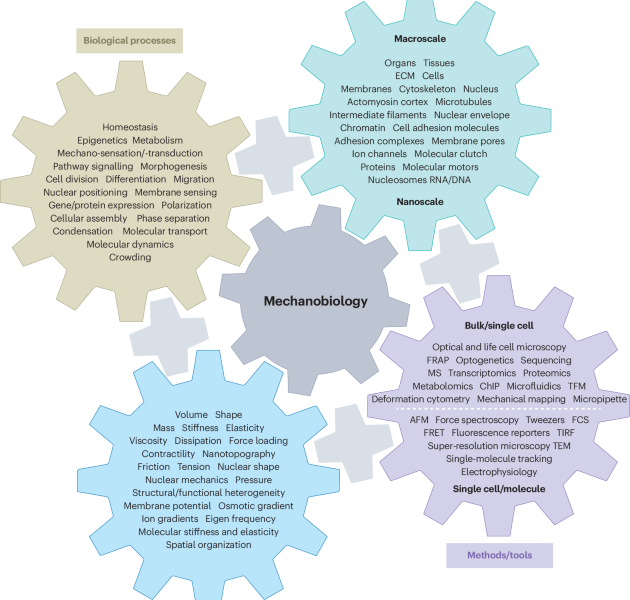
Researchers are making strides in mechanobiology, a field that studies how physical forces affect cells and tissues. This emerging field has far-reaching implications for our understanding of diseases, from cancer to cardiovascular disorders.
At the heart of mechanobiology is the intricate dance between cells and their physical environment. **David E. Ingber**, a pioneer in the field, first described the concept of mechanotransduction in 2003 – the process by which cells convert mechanical forces into chemical signals. Since then, researchers have been working to unravel the mysteries of how cells respond to these forces, and how this information is used to inform disease mechanisms.
One of the key challenges in mechanobiology is engineering multicellular reference models. These models would allow researchers to study how cells interact with their environment in a more realistic and controlled way. This is particularly important for understanding complex diseases, such as cancer, where single-cell studies often fall short.
**Eduardo Hannezo** and **Carl-Philipp Heisenberg** have made significant contributions to the field by introducing the concept of mechanochemical feedback loops. These loops describe how cells adjust their behavior in response to changes in their mechanical environment. This work has opened up new avenues for understanding how physical forces contribute to disease progression.
What this means for researchers and clinicians is a deeper understanding of how physical forces impact cellular behavior. This knowledge could lead to the development of new treatments for diseases where mechanical forces play a critical role. For example, understanding how cancer cells respond to changes in tissue stiffness could lead to the creation of targeted therapies that disrupt tumor growth.
As mechanobiology continues to advance, we can expect to see a greater emphasis on engineering multicellular reference models and developing new methods to manipulate and quantify biomechanical properties. The intersection of physics, biology, and engineering will be crucial in driving this research forward, leading to a more nuanced understanding of how our bodies respond to the physical world.